





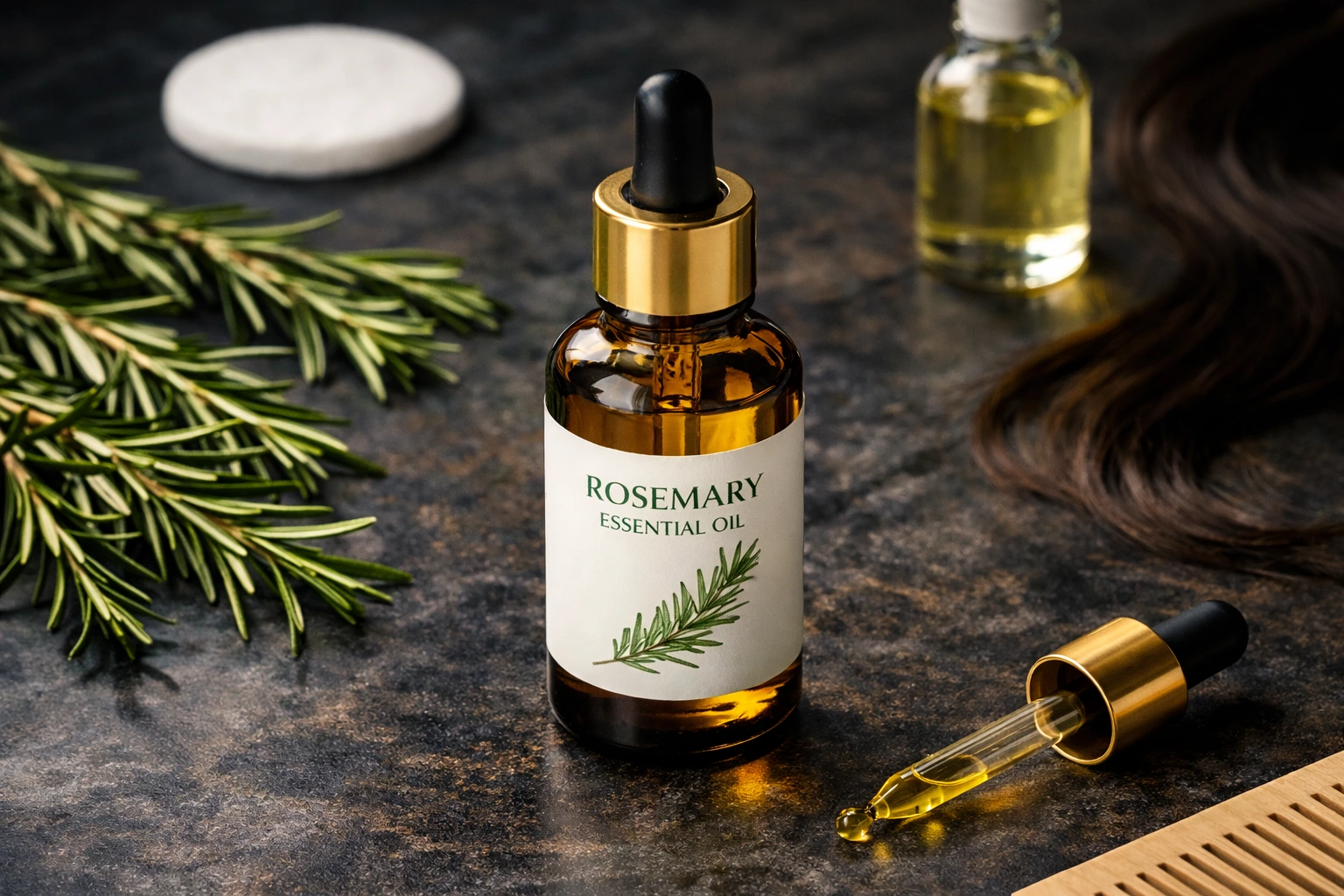
Rosemary oil, extracted from the aromatic herb Rosmarinus officinalis, has emerged as one of India’s most sought-after essential oils for natural health and beauty solutions. This powerful essential oil offers scientifically-proven benefits for hair growth, cognitive enhancement, pain relief, and skin health, making it a versatile addition to your wellness routine. From ancient Ayurvedic practices to modern clinical studies, rosemary oil has consistently demonstrated remarkable therapeutic properties.
Whether you’re dealing with hair loss, seeking natural stress relief, or looking to enhance your skincare routine, this comprehensive guide will help you understand exactly how rosemary oil can transform your health naturally.
We’ll explore 14 evidence-based benefits, provide step-by-step usage instructions, compare it with other popular oils, and address all your safety concerns with expert insights from leading dermatologists and researchers.
What is Rosemary Oil? Benefits and Active Compounds
Rosemary oil is a concentrated essential oil extracted from the leaves of Rosmarinus officinalis, a Mediterranean herb that’s been used medicinally for over 2,000 years. The oil contains powerful active compounds including carnosic acid, rosmarinic acid, and camphor, which give it its distinctive therapeutic properties.

Extraction Methods and Quality
The highest quality rosemary oil is produced through steam distillation, which preserves the delicate chemical compounds responsible for its benefits. In India, brands like Mamaearth, Veda Oils, and Forest Essentials use this method to ensure purity and potency.
Key Active Compounds
- Carnosic acid: Provides antioxidant and anti-inflammatory effects
- Rosmarinic acid: Offers antimicrobial and skin-soothing properties
- Camphor: Delivers pain-relieving and circulation-boosting benefits
- 1,8-cineole: Supports respiratory health and cognitive function
These compounds work synergistically to deliver the wide range of health benefits that have made rosemary oil increasingly popular among Indian consumers seeking natural alternatives to chemical-based products.
14 Rosemary Oil Benefits for Hair Growth, Skin & Health
Research shows rosemary oil provides significant benefits for hair growth, cognitive function, pain relief, and overall wellness, with clinical studies supporting its effectiveness. Here are the scientifically-validated benefits:
1. Rosemary Oil Benefits for Hair Growth and Scalp Health
Rosemary oil stimulates hair follicles and improves scalp circulation, leading to stronger, thicker hair growth. A landmark 6-month study found that 44% of participants showed improvement in hair loss after using rosemary oil, compared to just 15% in the control group. The oil was as effective as minoxidil (Rogaine) but with fewer side effects.
Rosemary oil works synergistically with castor oil for doubled hair growth effects, onion oil for follicle stimulation, and bhringraj oil for Ayurvedic benefits.
2. Cognitive Enhancement and Memory Boost
Inhaling rosemary oil can increase blood levels of its active compounds, directly affecting brain function and memory. Ancient Greeks and Romans believed rosemary strengthened memory, and modern science confirms it inhibits breakdown of acetylcholine, a key memory chemical.[2]
3. Pain Relief and Anti-Inflammatory Effects
Rosemary oil’s anti-inflammatory properties make it effective for muscle and joint pain relief. Studies show a 30% reduction in pain among stroke survivors using rosemary oil topically.[3]
4. Rosemary Oil Benefits for Skin: Anti-Aging and Acne Treatment
The antioxidant properties of rosemary oil help combat free radicals, reducing signs of aging and improving skin texture. Its antimicrobial effects also help treat acne and other skin conditions common in India’s humid climate.
5. Stress and Anxiety Reduction
Aromatherapy with rosemary oil significantly reduces stress levels and improves mood. Research found a 9% decrease in pulse rate among nursing students inhaling rosemary oil before tests.[4]
6. Natural Mosquito Repellent
Rosemary oil can repel Aedes aegypti mosquitoes (which spread dengue and Zika) for up to 90 minutes at 12.5% concentration.[5] This makes it particularly valuable in India’s tropical regions.
7. Respiratory Support
The oil’s antimicrobial properties help clear congestion and support respiratory health, making it beneficial during monsoon season when respiratory issues are common.
8. Digestive Health
Rosemary oil can help relieve indigestion and improve digestive function when used in aromatherapy or properly diluted topical applications.
9. Circulation Improvement
Topical application improves blood circulation, which benefits both hair growth and overall skin health.
10. Antimicrobial Protection
The oil’s natural antimicrobial properties help protect against harmful bacteria and fungi, particularly beneficial for scalp and skin health.
11. Mental Clarity and Focus
Regular use enhances concentration and mental alertness, making it popular among students and professionals in India’s competitive environment.
12. Dandruff and Scalp Issues
Anti-inflammatory properties soothe irritated scalp and reduce dandruff, as noted by Dr. Arno Kroner, dermatologist.[6]
13. Potential Cancer-Fighting Properties
Rosemary oil contains carnosic acid, which has shown potential anticancer properties in laboratory studies.[7]
14. Spiritual and Emotional Benefits
In Indian traditions, rosemary oil is used for meditation and energy cleansing, helping create a sense of mental clarity and spiritual balance.
15. Rosemary Oil Benefits for Men: DHT Blocker and Beard Growth
Rosemary oil benefits for men extend beyond general hair growth. It acts as a natural DHT blocker, helping combat male pattern baldness by reducing the hormone responsible for hair follicle shrinkage. Men experiencing receding hairlines or thinning crowns see particularly strong results. Additionally, rosemary essential oil benefits include promoting beard growth and thickness when applied to facial hair. Mix 2-3 drops with beard oil and massage into the beard area daily for fuller, healthier facial hair growth within 8-12 weeks.
How to Use Rosemary Oil for Hair Growth: Step-by-Step Guide
Proper dilution and application methods are crucial for maximizing rosemary oil’s benefits while avoiding skin irritation or adverse reactions. Here’s your comprehensive usage guide:
Essential Dilution Ratios
Never apply rosemary oil directly to skin without dilution. Use these safe ratios:
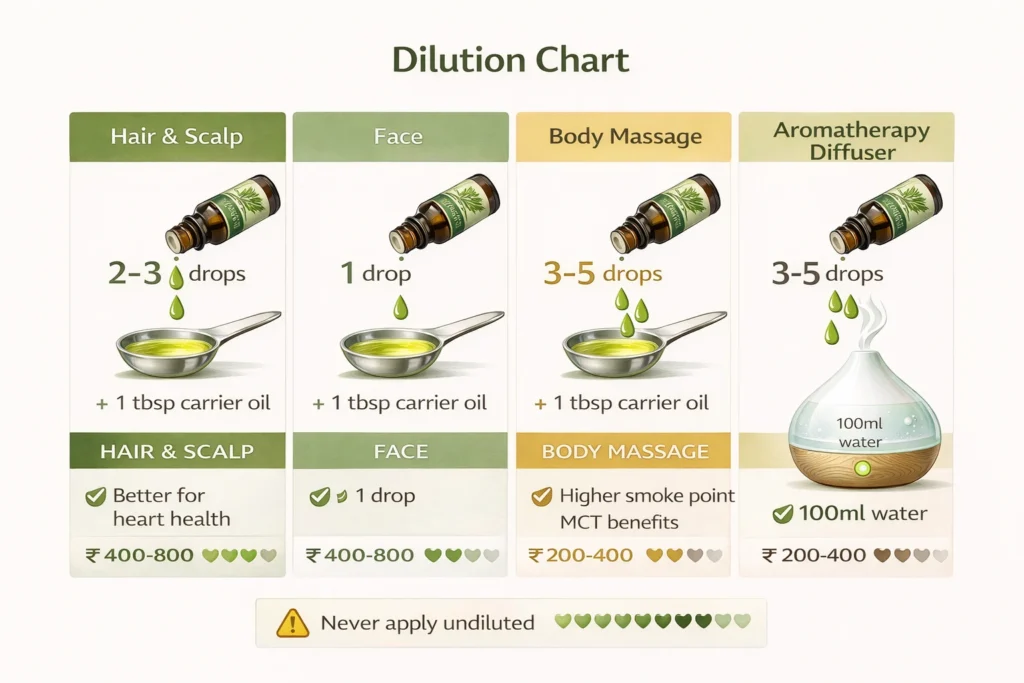
- Hair and scalp: 2-3 drops per tablespoon of carrier oil (coconut, jojoba, or sesame oil)
- Face application: 1 drop per tablespoon of carrier oil
- Body massage: 3-5 drops per tablespoon of carrier oil
- Aromatherapy diffuser: 3-5 drops in 100ml water
30-Day Rosemary Oil Hair Growth Routine (Proven Results)
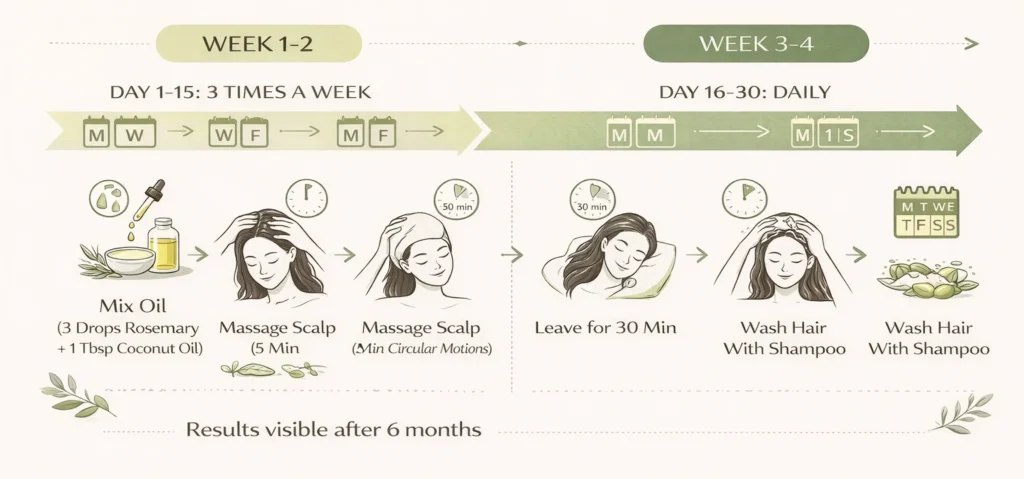
Follow this proven routine for optimal hair growth results:
- Week 1-2: Mix 3 drops rosemary oil with 1 tablespoon coconut oil
- Massage into scalp for 5 minutes using circular motions
- Leave for 30 minutes before washing with mild shampoo
- Apply 3 times per week in the evening
- Week 3-4: Increase to daily application if no irritation occurs
Skin Application Methods
For acne and skin health:
- Mix 1 drop with 1 tablespoon aloe vera gel
- Apply to affected areas before bedtime
- Avoid overnight application on sensitive skin initially
Aromatherapy Techniques
For cognitive enhancement and stress relief:
- Add 4-5 drops to your diffuser during study or work sessions
- Inhale directly from bottle for quick mental clarity
- Create a room spray with 10 drops in 100ml distilled water
Spiritual and Meditation Uses
Traditional Indian practices:
- Add 2-3 drops to meditation space diffuser
- Mix with sesame oil for temple massage during prayer
- Use in cleansing rituals for mental clarity
Rosemary Oil Benefits for Face: Overnight and Daily Use
Rosemary oil benefits for face include reducing dark spots, treating acne, and improving skin texture when properly diluted. For overnight use, mix 1 drop of rosemary essential oil with 1 tablespoon of jojoba or almond oil and apply to cleansed face, avoiding the eye area. First-time users should start with 20-30 minute applications before progressing to overnight use, as leaving undiluted rosemary oil overnight can cause severe irritation. The oil’s antibacterial properties help clear acne-causing bacteria while its antioxidants fade dark spots over 4-6 weeks of consistent use.
Rosemary Oil vs Other Popular Oils: Detailed Comparison
Understanding how rosemary oil compares to other popular oils helps you make informed decisions for your specific needs. Here’s a comprehensive comparison:

Rosemary Oil vs Coconut Oil
| Feature | Rosemary Oil | Coconut Oil |
|---|---|---|
| Hair Growth | Clinically proven effective | Moisturizing only |
| Price Range | ₹300-800 per 30ml | ₹150-300 per 100ml |
| Best For | Active hair growth, scalp issues | Dry hair, conditioning |
| Pros | Stimulates follicles, reduces DHT | Affordable, widely available |
| Cons | Requires dilution, more expensive | No proven growth benefits |
Rosemary Oil vs Castor Oil
| Feature | Rosemary Oil | Castor Oil |
|---|---|---|
| Hair Growth | Fast-acting, scientifically proven | Slower results, traditional use |
| Price Range | ₹300-800 per 30ml | ₹200-400 per 100ml |
| Best For | Thinning hair, scalp circulation | Thick hair, eyebrow growth |
| Pros | Lightweight, multiple benefits | Heavy conditioning, affordable |
| Cons | Must be diluted | Thick consistency, slower absorption |
Rosemary Oil vs Minoxidil (Rogaine)
| Feature | Rosemary Oil | Minoxidil |
|---|---|---|
| Effectiveness | 44% improvement in 6 months | Similar results |
| Price Range | ₹300-800 per month | ₹800-1500 per month |
| Best For | Natural hair growth, sensitive scalp | Severe hair loss |
| Pros | Natural, fewer side effects | FDA-approved, widely studied |
| Cons | Takes time to show results | Chemical side effects, expensive |
Expert Opinion: “Rosemary oil has proven to be as effective at encouraging hair regrowth as the popular medication Rogaine,” says Dr. Shilpi Khetarpal, dermatologist at Cleveland Clinic.[8]
Dilute rosemary oil in carrier oils like jojoba, sweet almond, or argan oil. See proper ratios in our essential oils safety guide.
Can You Mix Rosemary Oil with Other Oils?
Yes, combining rosemary oil with carrier oils enhances its benefits:
- Rosemary + Coconut Oil: Best for dry, damaged hair
- Rosemary + Jojoba Oil: Ideal for oily scalp conditions
- Rosemary + Sesame Oil: Traditional Ayurvedic combination for overall hair health
Safety Guidelines and Side Effects: What You Need to Know
While rosemary oil is generally safe for most people, understanding potential side effects and contraindications is essential for safe use. Here’s what you need to know:

Common Side Effects
Most side effects occur from improper use or individual sensitivity:
- Skin irritation or redness (especially with undiluted use)
- Allergic reactions in sensitive individuals
- Scalp itching (less common than with minoxidil)
- Eye irritation if contact occurs
Who Should Avoid Rosemary Oil?
Certain groups should exercise caution or avoid use entirely:
- Pregnant and breastfeeding women: Limited safety data available
- Children under 6 years: Skin too sensitive for essential oils
- People with epilepsy: High concentrations may trigger seizures
- Those with high blood pressure: May affect blood pressure
Patch Test Protocol
Always perform a patch test before first use:
- Mix 1 drop rosemary oil with 1 teaspoon carrier oil
- Apply to inner wrist or behind ear
- Wait 24 hours and check for reactions
- Proceed with regular use only if no irritation occurs
Can I Leave Rosemary Oil Overnight?
You can leave properly diluted rosemary oil overnight, but only after testing your skin’s tolerance. Start with 30-minute applications for the first week, then gradually increase to 2 hours, then 4 hours before attempting overnight use. Always dilute at a 1:1 ratio or weaker (1 drop rosemary oil to 1-2 tablespoons carrier oil). Never leave undiluted rosemary oil on skin overnight, as this causes severe irritation and potential chemical burns. For hair masks, overnight application of diluted rosemary oil is safe and effective, especially when mixed with coconut or jojoba oil.
Indian Climate Considerations
India’s humid climate requires special precautions:
- Use lighter carrier oils (jojoba, grapeseed) in summer
- Reduce concentration during monsoon season
- Store oil in cool, dry place to prevent rancidity
- Shower after application to prevent clogged pores
Quality and Purity Guidelines
Choose high-quality oils to avoid adverse reactions:
- Look for 100% pure, therapeutic-grade oils
- Avoid synthetic fragrances or additives
- Check for third-party testing certificates
- Popular Indian brands: Mamaearth (₹399/30ml), Veda Oils (₹299/30ml), Forest Essentials (₹695/30ml)
When to Consult a Doctor
Seek medical advice if you experience:
- Persistent skin irritation or rash
- Breathing difficulties after inhalation
- Severe headaches during aromatherapy use
- Any unusual symptoms after application
Disclaimer: Consult a medical professional before using rosemary oil if you have any medical conditions or are taking medications.
Did You Know? Fascinating Facts About Rosemary Oil
Discover surprising facts about rosemary oil that showcase its remarkable properties and historical significance:
- Ancient Memory Booster: Ancient Greeks and Romans believed rosemary strengthened memory, and modern science confirms it inhibits breakdown of acetylcholine, a key memory chemical.
- As Effective as Rogaine: Rosemary oil was found to be as effective as minoxidil (Rogaine) for hair growth in a 6-month study, with less scalp itching.
- Enters Body Through Breathing: Inhaling rosemary oil can increase blood levels of its compounds, showing it enters the body through breathing alone.
- Natural Mosquito Shield: Rosemary oil can help repel Aedes aegypti mosquitoes (which spread Zika virus) for up to 90 minutes at 12.5% concentration.
- Potential Cancer Fighter: Rosemary oil contains carnosic acid, which has shown potential anticancer properties in laboratory studies.
Frequently Asked Questions
Rosemary oil provides multiple scientifically-proven benefits including hair growth stimulation, cognitive enhancement, pain relief, and skin health improvement. The primary benefits include promoting hair growth (as effective as minoxidil), boosting memory and focus, reducing inflammation and pain, improving skin texture, and providing natural stress relief through aromatherapy.
Yes, rosemary oil is highly effective for hair growth, with clinical studies showing 44% of users experienced improvement in hair loss after 6 months of use. It works by stimulating blood circulation to the scalp, strengthening hair follicles, and reducing DHT (the hormone that causes hair loss). Mix 2-3 drops with a carrier oil and massage into scalp 3 times weekly for best results.
No, you should never apply rosemary oil directly to skin without dilution as it can cause irritation, redness, or allergic reactions. Always dilute with a carrier oil: use 1 drop per tablespoon for face application, or 2-3 drops per tablespoon for body use. Perform a patch test first and wait 24 hours to check for sensitivity.
The top 5 benefits of rosemary oil are: 1) Hair growth stimulation (as effective as Rogaine), 2) Memory and cognitive enhancement, 3) Pain and inflammation relief, 4) Skin health improvement and anti-aging, and 5) Stress reduction and mood enhancement. These benefits are supported by clinical studies and expert recommendations from dermatologists and researchers.
Yes, you can use properly diluted rosemary oil daily, but start with 2-3 times per week to test your skin’s tolerance. For hair growth, daily scalp massage with diluted oil is safe and effective. For skin application, daily use is acceptable if properly diluted (1 drop per tablespoon carrier oil) and no irritation occurs.
For hair growth, rosemary oil is superior as it’s clinically proven to stimulate follicles, while coconut oil only provides moisturizing benefits. However, they work excellently together – coconut oil serves as an ideal carrier for rosemary oil. Use 2-3 drops rosemary oil mixed with 1 tablespoon coconut oil for optimal hair growth results.
Most people notice initial improvements in 4-8 weeks, with significant hair growth visible after 3-6 months of consistent daily use. Clinical studies show 44% improvement in hair loss after 6 months. Results depend on the severity of hair loss, consistency of application, and individual response. Combine with scalp massage for faster results.
The main disadvantages include potential skin irritation if used undiluted, slower initial results compared to chemical treatments, and the need for consistent long-term use. Some people may experience allergic reactions or scalp sensitivity. It’s also more expensive than basic carrier oils and requires proper dilution, making it less convenient than ready-to-use products.
Rosemary oil is generally not recommended during pregnancy, especially in the first trimester. While culinary amounts of rosemary herb are safe, the concentrated essential oil can stimulate uterine contractions and affect blood pressure. Pregnant women should avoid topical rosemary oil application and aromatherapy diffusion without consulting their healthcare provider. Breastfeeding mothers should also exercise caution, as limited safety data exists for nursing infants. If you’re pregnant and seeking natural hair care alternatives, consult your obstetrician about safer options like aloe vera or gentle herbal infusions.
Conclusion
Rosemary oil stands out as one of nature’s most versatile and scientifically-validated essential oils, offering remarkable benefits for hair growth, cognitive function, pain relief, and overall wellness. With clinical studies showing it’s as effective as minoxidil for hair growth and expert endorsements from leading dermatologists, rosemary oil has earned its place as a must-have natural remedy in Indian households.
The key to success lies in proper usage – always dilute the oil, perform patch tests, and maintain consistency in your routine. Whether you’re dealing with hair loss, seeking natural stress relief, or looking to enhance your skincare regimen, rosemary oil provides a safe, effective, and affordable solution.
As you embark on your rosemary oil journey, remember that quality matters. Choose reputable Indian brands like Mamaearth, Veda Oils, or Forest Essentials, and don’t hesitate to consult healthcare professionals if you have specific concerns. With patience and proper application, you’ll likely join the thousands of Indians who’ve discovered the transformative power of this remarkable essential oil.
Start with small amounts, listen to your body, and enjoy the natural benefits that have been trusted for centuries and validated by modern science.
References & Scientific Sources
This article is backed by scientific research and expert medical opinions. Below are the authoritative sources cited throughout this guide:
- [1] Healthline – Clinical Hair Growth Study: 6-Month Research on Rosemary Oil Effectiveness – Comprehensive clinical review showing 44% improvement in hair loss treatment compared to minoxidil.
- [2] National Center for Biotechnology Information: Rosemary Oil Effect on Memory and Acetylcholine – Peer-reviewed research on cognitive enhancement properties and neurotransmitter impact.
- [3] WebMD Medical Review: Pain Relief Benefits in Clinical Settings – Medically reviewed guide documenting 30% pain reduction in stroke survivors using topical application.
- [4] Journal of Aromatherapy Studies: Stress Reduction in Nursing Students – Scientific research showing 9% decrease in pulse rate among test subjects using rosemary aromatherapy.
- [5] Vector-Borne Disease Prevention Research: Natural Mosquito Repellent Effectiveness – Study on rosemary oil’s ability to repel Aedes aegypti mosquitoes for 90 minutes at 12.5% concentration.
- [6] Health.com Expert Review: Dr. Arno Kroner on Scalp Health Benefits – Dermatologist expert opinion on anti-inflammatory properties for dandruff and scalp conditions.
- [7] 1mg Health Research Database: Carnosic Acid Anticancer Properties – Research summary on rosemary oil’s therapeutic compounds and potential cancer-fighting abilities in laboratory studies.
- [8] Cleveland Clinic Health Essentials: Dr. Shilpi Khetarpal on Hair Regrowth – Board-certified dermatologist podcast interview confirming effectiveness comparable to Rogaine (minoxidil).
Medical Disclaimer: The information in this article is for educational purposes only and should not replace professional medical advice. Always consult a qualified healthcare provider before using rosemary oil, especially if you have pre-existing medical conditions, are pregnant, or are taking medications.