





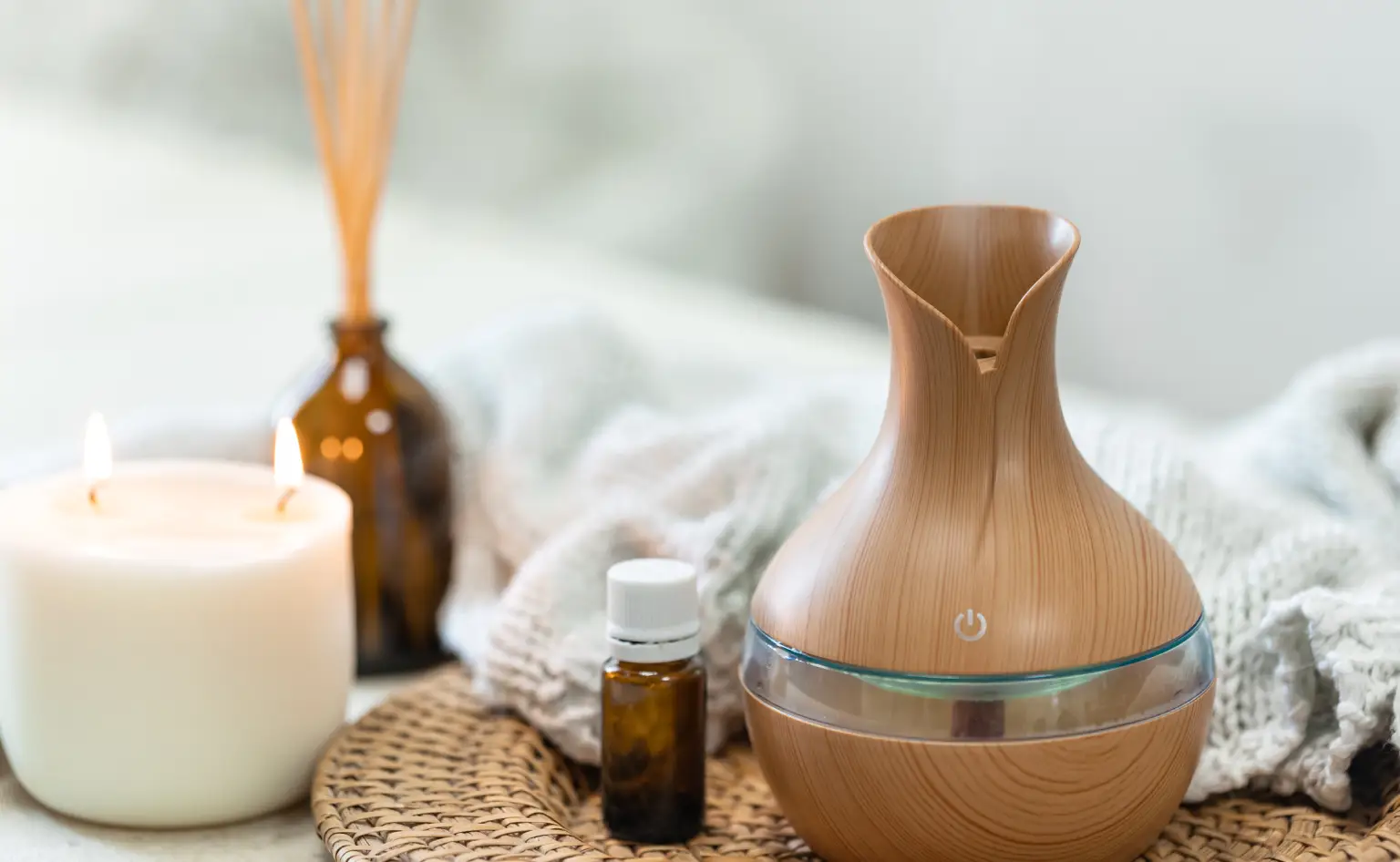
Essential oil diffusers have become a staple in American homes, transforming living spaces into aromatic sanctuaries. Whether you’re seeking stress relief, better sleep, or simply a pleasant home fragrance, choosing the right diffuser can make all the difference.
The U.S. aromatherapy diffusers market according to Custom Market Insights was valued at $527.4 million in 2024, reflecting growing consumer interest in these wellness devices. With ultrasonic diffusers dominating 69.28% of the market share, understanding your options is crucial.
This comprehensive guide will help you navigate the world of essential oil diffusers, from ultrasonic models to nebulizing systems, ensuring you find the perfect match for your home and lifestyle needs.
What Are the Different Types of Essential Oil Diffusers?
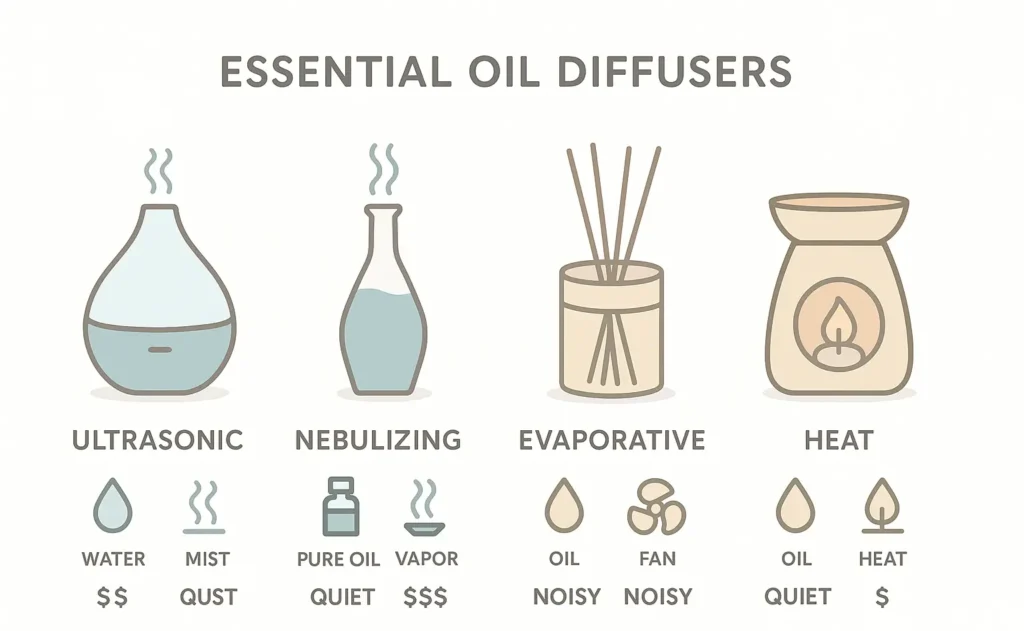
Essential oil diffusers disperse aromatic oils into the air through various mechanisms, with ultrasonic, nebulizing, and evaporative being the most common types. Ultrasonic models use water and vibration to create mist, while nebulizers use pressurized air for pure oil dispersion. Evaporative diffusers rely on natural evaporation or fans to distribute scent throughout your space.
Understanding the different diffuser technologies helps you choose the right one for your specific needs. Here’s a breakdown of the main types available in the U.S. market:
Ultrasonic Essential Oil Diffusers for Home
These are the most popular choice, accounting for 69.28% of the market share (Source: mordorintelligence.com). They work by using ultrasonic vibrations to break essential oils into microscopic particles, which are then dispersed as a fine mist. Most models also function as humidifiers, adding moisture to your indoor air.
Aromatherapy Diffuser: Nebulizing Models
These high-performance diffusers use pressurized air to atomize pure essential oils without water. They’re 5-10x more potent than ultrasonic models (Source: wellnessmama.com) and don’t require heat, preserving the therapeutic properties of your oils. However, they tend to use oils more quickly and are typically more expensive.
Evaporative Diffusers
This category includes reed diffusers and fan-based models. Reed diffusers use natural rattan reeds to draw oil up from a reservoir, while fan diffusers blow air across an oil-soaked pad. They’re simple, quiet, and don’t require electricity, making them ideal for small spaces or areas without power outlets.
Heat Diffusers
These use gentle heat to evaporate essential oils into the air. While affordable and quiet, the heat can alter the chemical composition of some oils, potentially reducing their therapeutic benefits.
How Do I Choose the Best Essential Oil Diffuser for My Home?
Selecting the ideal essential oil diffuser involves considering room size, desired features, budget, and safety requirements. For large spaces, choose nebulizers or high-capacity ultrasonic models. For bedrooms, opt for quiet operation and timer functions. Always prioritize safety features like auto-shutoff and consider pet and child safety when selecting oils and placement locations.
Choosing the right diffuser depends on several key factors. Here’s what to consider:
Choosing the Best Essential Oil Diffuser by Room Size
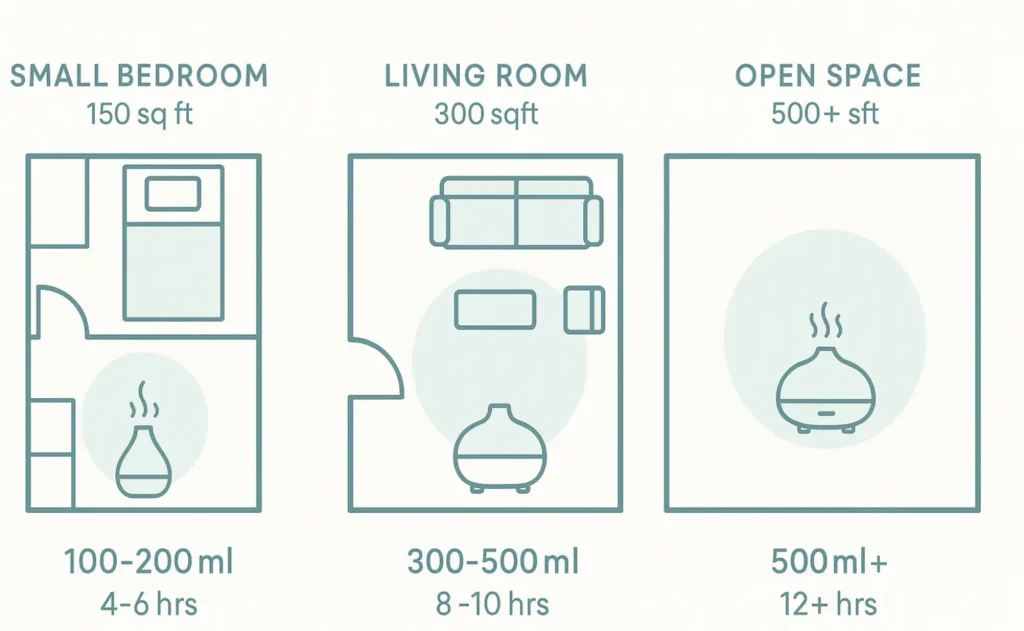
- Small rooms (under 150 sq ft): Any diffuser type works well
- Medium rooms (150-300 sq ft): Standard ultrasonic or evaporative models
- Large rooms (300+ sq ft): Nebulizers or large-capacity ultrasonic diffusers
| Room Size | Ideal Tank Capacity | Best Diffuser Type |
|---|---|---|
| Small (<150 sq ft) | 100ml – 150ml | Compact Ultrasonic / Portable |
| Medium (150-300 sq ft) | 300ml – 500ml | Standard Ultrasonic |
| Large (500+ sq ft) | 500ml+ or Waterless | Large Capacity / Nebulizing |
Key Features to Look For
- Auto-shutoff: Essential safety feature when water runs low
- Timer settings: 1-2-4-8 hour options for controlled usage
- Light options: LED lights with multiple color choices
- Quiet operation: Important for bedrooms and offices
- Easy cleaning: Removable parts and accessible reservoirs
Best Essential Oil Diffuser for Every Budget
The global essential oil diffusers market was valued at $1.2 billion in 2024 (Source: linkedin.com), with prices ranging from $20 for basic models to $200+ for premium nebulizers. Consider your long-term oil consumption costs too – nebulizers use oils more quickly than ultrasonic models.
Lifestyle Factors
- Families with children: Choose models with cool mist and secure lids
- Pet owners: Select diffusers with adjustable output and safe placement options
- Office use: Compact, quiet models with subtle scent dispersion
- Bedroom use: Models with night modes and quiet operation
Top Essential Oil Diffuser Recommendations for 2025
Based on extensive testing and consumer feedback, the top essential oil diffusers for 2025 include the Urpower 300ml for overall value, Vitruvi Move for portability, MUJI Ultrasonic for minimalist design, and InnoGear models for budget-friendly options. Each excels in different categories from large room coverage to travel convenience, with prices ranging from $25 to $150 depending on features and capacity.
After analyzing market trends and user reviews, here are our top picks for American consumers:
| Model | Category | Coverage | Approx. Price |
|---|---|---|---|
| Urpower 300ml | Best Essential Oil Diffuser(Overall) | Medium/Large Rooms | $30-$40 |
| Vitruvi Stone | Best Design & Large Rooms | Up to 500 sq ft. | $123 |
| InnoGear | Best Budget Option | Small Rooms | $25-$35 |
| Vitruvi Move | Best Cordless/Portable | Personal Space | $99 |
| MUJI Ultrasonic | Best Minimalist Style | Medium Rooms | $60-$70 |
1. Best Overall: Urpower 300ml Aroma Diffuser
This model has maintained top recommendations since 2017 (Source: nytimes.com) for good reason. It offers excellent value at around $30-40 with a generous 300ml capacity that runs for 8-10 hours. Features include:
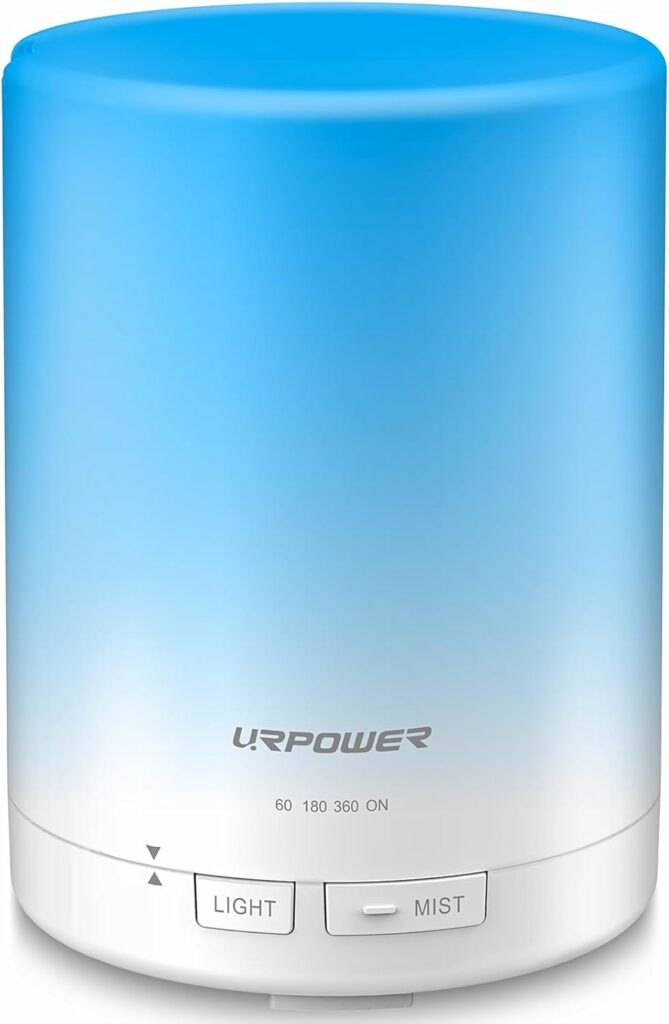
- 7 color-changing LED lights
- Auto-shutoff safety
- Mist and light control options
- Quiet ultrasonic operation
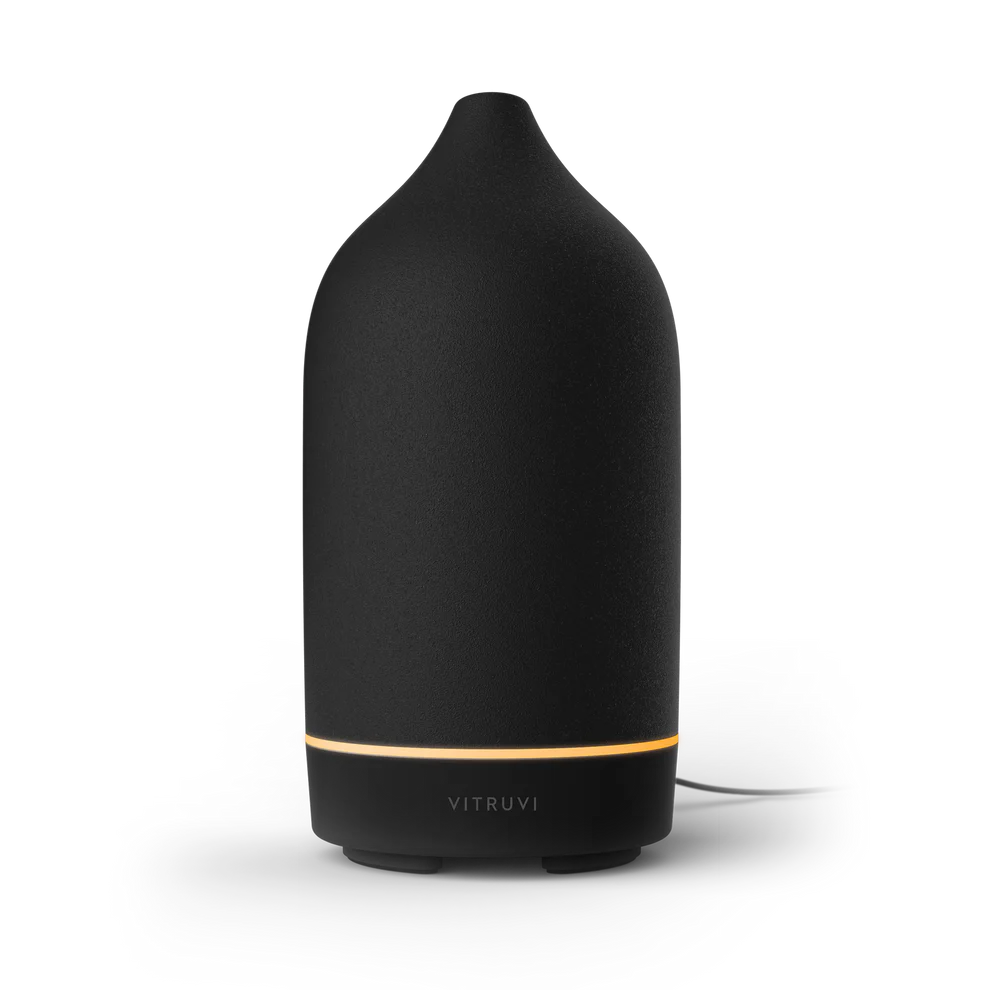
2. Best for Large Rooms: Vitruvi Stone Diffuser
Priced around $120, this ceramic diffuser combines style with performance. Its 100ml capacity might seem small, but the mist output effectively covers spaces up to 500 square feet.
3. Best Budget Option: InnoGear Essential Oil Diffuser
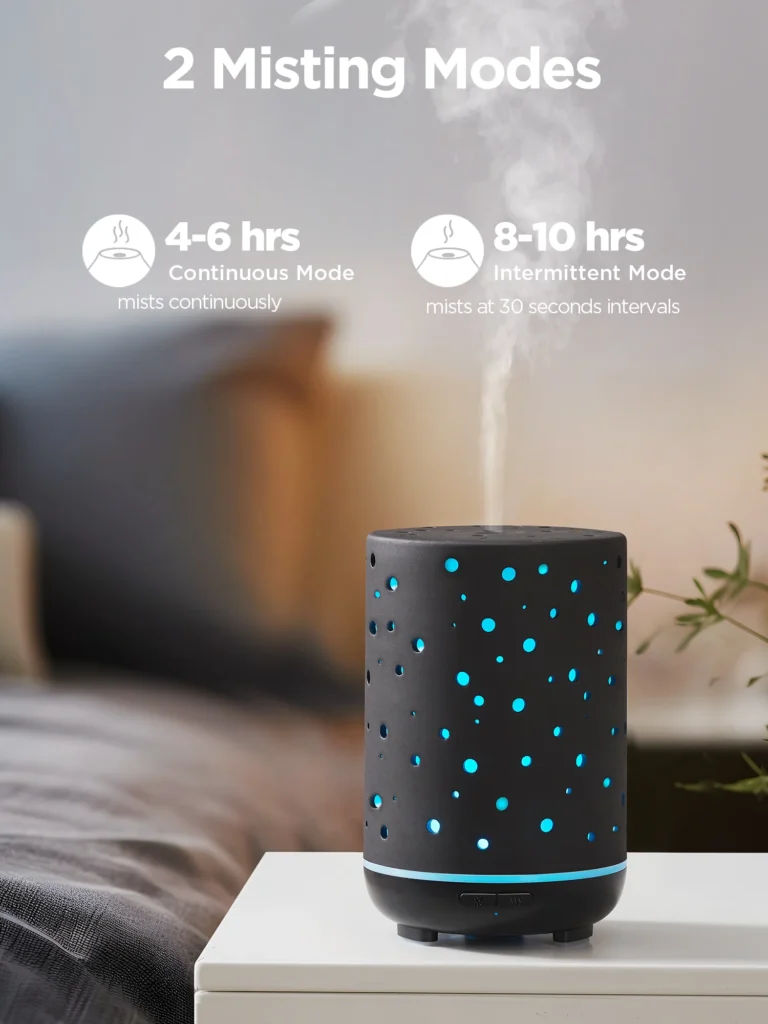
At just $25-35, this compact model delivers surprising performance. It includes:
- 2 misting modes
- 7 color LED lights
- Auto-shutoff
- 100-150ml capacity
4. Best Portable Essential Oil Diffuser for Travel: Vitruvi Move
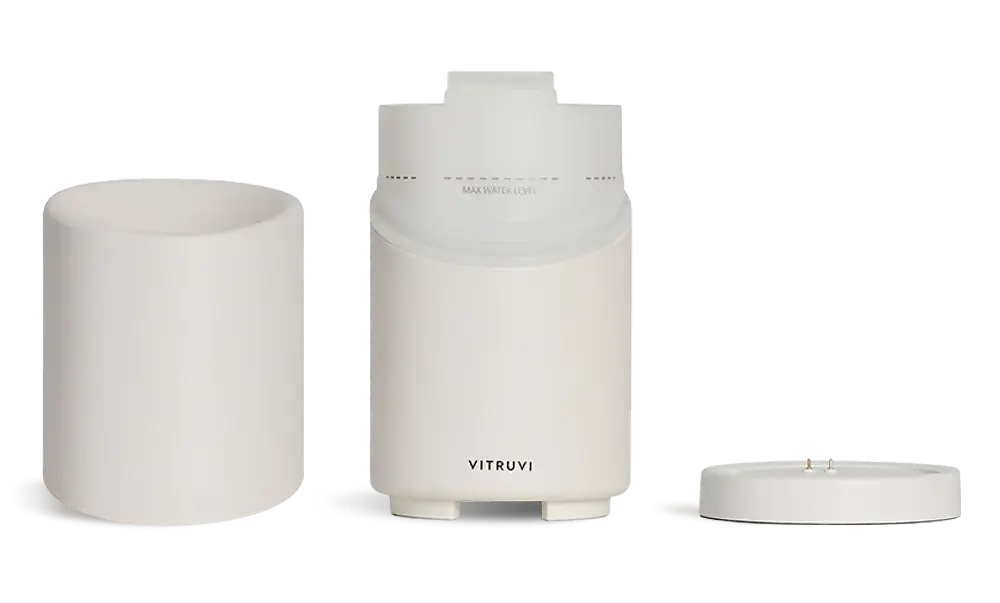
For on-the-go aromatherapy, this $99 portable diffuser offers:
- USB-C charging
- 4-hour runtime
- Travel case included
- Leak-proof design
5. Best Minimalist: MUJI Ultrasonic Aroma Diffuser
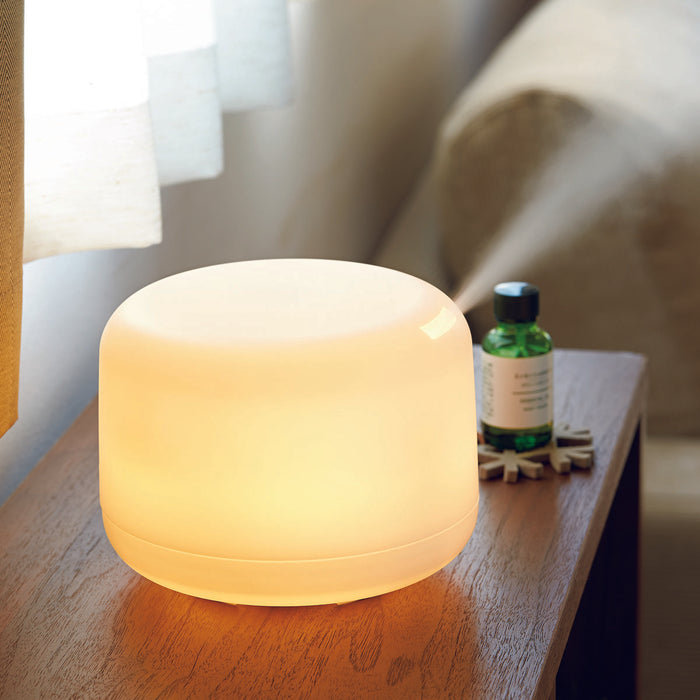
The iconic Japanese design available in the U.S. for around $60 features:
- Simple one-button operation
- Warm white light only
- 4-hour continuous mist
- Ultra-quiet operation
Did You Know? Essential Oil Diffuser Benefits & Lesser-Known Facts
Here are some fascinating insights that might change how you use your diffuser:
1. Ultrasonic diffusers can increase airborne particle counts by 300-500% according to Wirecutter testing. This means they’re effectively distributing oils throughout your space.
2. Nebulizing diffusers use pure essential oils without water, making them 5-10x more potent than ultrasonic models. This explains their higher oil consumption but stronger scent throw.
3. Some essential oils can be toxic to pets even when diffused, with birds being particularly sensitive. Always research oil safety for your specific pets.
4. The Urpower 300ml diffuser has maintained its top recommendation position since 2017, demonstrating exceptional longevity in a competitive market.
5. Essential oil diffusers are not effective humidifiers – they distribute only about 1,000 mL of water over 24 hours compared to proper humidifiers. Don’t rely on them for significant humidity increases.
Safety Guidelines for Using Diffusers Around Pets and Children
Essential oil diffusers require careful usage around pets and children, as some oils can be harmful when inhaled or ingested. Always place diffusers in well-ventilated areas, use pet-safe oils, and keep units out of reach. Birds are particularly sensitive to essential oils, and cats lack certain liver enzymes to process some compounds safely. Consult your veterinarian before using any essential oils around pets.
Safety should be your top priority when enjoying aromatherapy at home. Here are essential guidelines:
Are Essential Oil Diffusers Safe for Pets? 🐶

The American Society for the Prevention of Cruelty to Animals (ASPCA) notes that essential oils can be problematic for pets. Key precautions include:
- Avoid these oils around pets: Tea tree, pennyroyal, wintergreen, pine, and citrus oils
- Birds are extremely sensitive: Avoid all essential oil diffusion around birds
- Cats lack glucuronyl transferase: This enzyme deficiency makes them vulnerable to certain oils
- Provide escape routes: Always ensure pets can leave the room if the scent bothers them
Child Safety Measures 👶🏻
Nena Bowman, Managing Director of Tennessee Poison Center, advises: “If you have small children, using a diffuser involves additional considerations. Plan to store your essential oils out of reach, as they smell good enough that kids might assume that they are also tasty.” (Source: nytimes.com)
General Safety Tips
- Use diffusers in well-ventilated areas
- Follow manufacturer instructions for oil quantities
- Clean diffusers regularly to prevent mold growth
- Don’t run diffusers 24/7 – give your space breaks
- Place diffusers on stable surfaces away from edges
Medical Considerations Johns Hopkins Medicine advises: “Diffusion in a public area or household with multiple members can affect people differently.” Be mindful of family members with respiratory conditions.
How to Use and Maintain Your Oil Diffuser Properly
Proper diffuser maintenance ensures optimal performance and longevity. Clean your diffuser weekly with vinegar and water, use 3-5 drops of oil per 100ml of water, and always use distilled water to prevent mineral buildup. Run diffusers for 30-60 minutes at a time in well-ventilated spaces, and store oils in dark, cool locations to preserve their potency between uses.
Getting the most from your diffuser requires proper usage and regular maintenance. Here’s your complete guide:
Cleaning Instructions
Weekly cleaning prevents oil buildup and maintains performance:
- Unplug and empty the water reservoir completely
- Wipe interior with a soft cloth and white vinegar
- Use cotton swabs for hard-to-reach areas
- Rinse thoroughly with clean water
- Air dry completely before next use
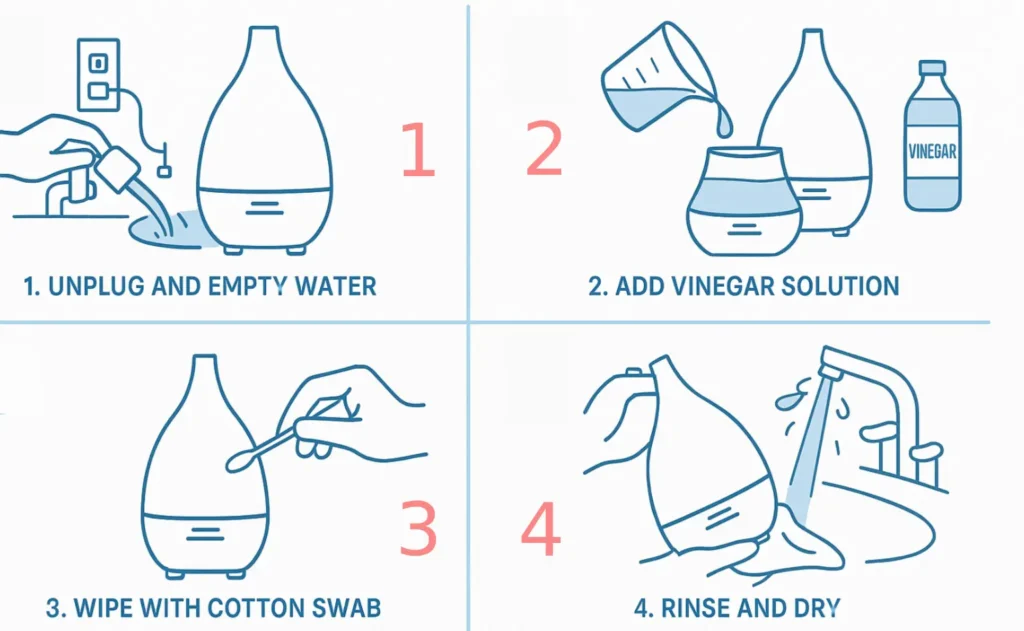
For stubborn residue: Soak with vinegar water for 15 minutes before cleaning
Optimal Oil Usage
- Ultrasonic diffusers: 3-5 drops per 100ml of water
- Nebulizing diffusers: Follow manufacturer guidelines (typically 15-30 drops)
- Start with less: You can always add more oil if needed
- Blend carefully: Some oils work better together than others
Water Quality Matters Always use distilled or filtered water to prevent:
- Mineral buildup on ultrasonic plates
- White dust on surfaces
- Reduced mist output
- Premature diffuser failure
Usage Best Practices
- Run for 30-60 minutes, then take breaks
- Don’t exceed 4-8 hours continuous use
- Place on stable, level surfaces
- Keep away from direct sunlight and heat sources
- Rotate oil scents to avoid olfactory fatigue
Common Myths About Essential Oil Diffusers
Several misconceptions surround essential oil diffusers, particularly regarding their health benefits and safety. Contrary to popular belief, diffusers aren’t effective humidifiers, more oil doesn’t always mean better results, and ‘therapeutic grade’ is largely a marketing term without regulatory standards. Understanding these myths helps you use diffusers more effectively and safely.
Myth 1: Essential oil diffusers work as effective humidifiers Reality: While ultrasonic diffusers add moisture to the air, they’re not designed for significant humidification. They distribute only about 1,000 mL of water over 24 hours compared to proper humidifiers (Source: nytimes.com). For dry climates, invest in a dedicated humidifier.
Myth 2: More essential oil means better results Reality: Overloading your diffuser can actually reduce effectiveness and create overwhelming scents. The American Lung Association notes: “Adding anything – including essential oils – to the air you breathe is not recommended. Fresh, clean air is best.” (Source: lung.org) Start with fewer drops and adjust as needed.
Myth 3: ‘Therapeutic grade’ is a regulated standard Reality: This term is primarily marketing. No U.S. government agency regulates or certifies essential oils as “therapeutic grade.” Look for companies that provide third-party testing results instead of relying on marketing claims.
Myth 4: All essential oils are safe for diffusion Reality: Some oils can be irritating or harmful, especially to sensitive individuals or pets. Always research specific oil safety and start with short diffusion periods to assess tolerance.
Best Essential Oils for Diffuser: Top Scents for Every Purpose
Finding the best scent diffuser experience is only half the battle; the oils you choose play a massive role in setting the mood. Whether you need to focus on work or unwind after a long day, here are the essential oils for diffuser use that experts recommend.
For Relaxation and Sleep
If you are looking for the best home diffuser blend to help you catch some Z’s, you can’t go wrong with these classics:
- Lavender: The gold standard for relaxation. Studies show it can help lower heart rate and improve sleep quality.
- Chamomile: Known for its calming properties, it adds a warm, herbaceous scent to your room.
- Cedarwood: A warm, woody scent that grounds you and promotes a feeling of safety.
For Energy and Focus
When the afternoon slump hits, skip the coffee and turn on your diffuser.
- Peppermint: Fresh and minty, it wakes up your brain and can help with headaches.
- Lemon & Sweet Orange: Citrus oils are instant mood boosters. They create a clean, happy atmosphere that is perfect for home offices.
- Eucalyptus: Opens up the airways and clears the mind, making it a great choice for a best aromatherapy diffuser session during cold season.
“Clean Beauty” Scents
If you prefer your home to smell like a luxury spa rather than a flower shop, look for “clean” scent profiles.
- Lemongrass: Crisp and spa-like.
- Tea Tree: Medicinal and purifying (but use with caution around pets!).
- Bergamot: A complex citrus scent that smells like expensive perfume.
Best Essential Oil Brands: What to Look For
One of the most common questions we see is, “What brand has the best essential oils?” With the market flooded with cheap imitations, quality matters.
When shopping, look for brands that offer GC/MS testing reports (Gas Chromatography/Mass Spectrometry). This sounds technical, but it just means the company tests their oils to prove they are 100% pure and free from synthetic fillers.
Top Reputable Brands to Consider:
- Plant Therapy: A favorite for being affordable and transparent with their testing. They also have a dedicated “KidSafe” line.
- Revive: Offers excellent quality without the high markup of multi-level marketing brands.
- Rocky Mountain Oils: Known for high-quality blends and free shipping.
- Edens Garden: A non-MLM company that offers a huge variety of singles and blends.
Tip: Be wary of brands sold in discount bins or those that label their product as “fragrance oil” instead of “100% pure essential oil.” Fragrance oils are synthetic and won’t offer the aromatherapy benefits you are looking for.
Frequently Asked Questions
The best essential oil for diffusing depends on your goals. Lavender is excellent for relaxation and sleep, peppermint can boost energy and focus, while citrus oils like orange and lemon create an uplifting atmosphere. For clean, fresh scents, consider eucalyptus, tea tree, or lemongrass. Always start with high-quality oils from reputable U.S. brands and test small amounts first.
Essential oil diffusers can pose risks to pets, particularly birds who are extremely sensitive. Cats and dogs may also react to certain oils. Always research pet-safe oils, provide escape routes from diffused areas, and consult your veterinarian. Avoid tea tree, citrus, pine, and wintergreen oils around pets, and never force animals to remain in rooms with active diffusion.
For ultrasonic diffusers, use 3-5 drops of essential oil per 100ml of water. Nebulizing diffusers typically require 15-30 drops since they don’t use water. Start with fewer drops and increase if needed – overpowering scents can cause headaches or irritation. Remember that more oil doesn’t necessarily mean better results.
Ultrasonic diffusers use water and vibration to create scented mist, while nebulizing diffusers use pressurized air to disperse pure essential oils without water. Nebulizers are 5-10x more potent but use oils more quickly. Ultrasonic models add humidity to the air and are generally more affordable. Choose based on your priority: potency (nebulizer) or value and humidity (ultrasonic).
Clean your diffuser at least once a week with white vinegar and water. If you use it daily or switch between different oils frequently, clean it every 3-4 uses. Regular cleaning prevents oil buildup, maintains performance, and ensures you’re not mixing incompatible scents. Always unplug and dry completely before storing or reusing.
Many people find that certain essential oils like lavender, chamomile, and cedarwood can promote relaxation and better sleep when diffused in bedrooms. However, individual responses vary. Use diffusers with timer functions to run for 30-60 minutes before bedtime, and ensure proper ventilation. Results aren’t guaranteed, but many users report positive sleep benefits.
Look for 100% pure essential oil, the botanical name (like Lavandula angustifolia for lavender), country of origin, and extraction method. Avoid products with ‘fragrance oil’ or undisclosed ingredients. Reputable U.S. brands provide batch numbers and testing information. Price can indicate quality – extremely cheap oils may be diluted or synthetic.
Yes. Research suggests that inhaling essential oil molecules stimulates the olfactory system, which is connected to the limbic system of the brain—the area responsible for emotions, heart rate, and blood pressure. This is why scents like lavender can physically help you relax.
For large rooms or open-concept homes, a nebulizing diffuser is the most effective choice because it pumps out pure, undiluted oil vapor. If you prefer an ultrasonic model, look for one with a large water tank (500ml or more) like the Urpower 500ml or similar high-capacity units.
Pura D’or is generally considered a decent, accessible brand found on many major marketplaces. However, for the highest therapeutic quality, many enthusiasts prefer dedicated essential oil companies like Plant Therapy or Rocky Mountain Oils that specialize specifically in sourcing and testing aromatics.
They can be. Many synthetic fragrances contain phthalates, which are chemicals used to make scents last longer but have been linked to hormone disruption. Using a best essential oil diffuser with 100% pure oils is a natural alternative to synthetic air fresheners and plug-ins.
Conclusion
Choosing the best essential oil diffuser involves balancing your specific needs with practical considerations like room size, budget, and safety requirements. The U.S. market offers excellent options across all price points, from the consistently recommended Urpower 300ml to stylish Vitruvi models and budget-friendly InnoGear diffusers.
Remember that proper maintenance and safe usage practices will ensure you enjoy your diffuser for years to come. Whether you’re seeking stress relief, better sleep, or simply a pleasant home fragrance, the right diffuser can transform your living space into a personalized aromatic sanctuary. Start with our recommendations, follow the safety guidelines, and discover the benefits of essential oil diffusion in your own home.