




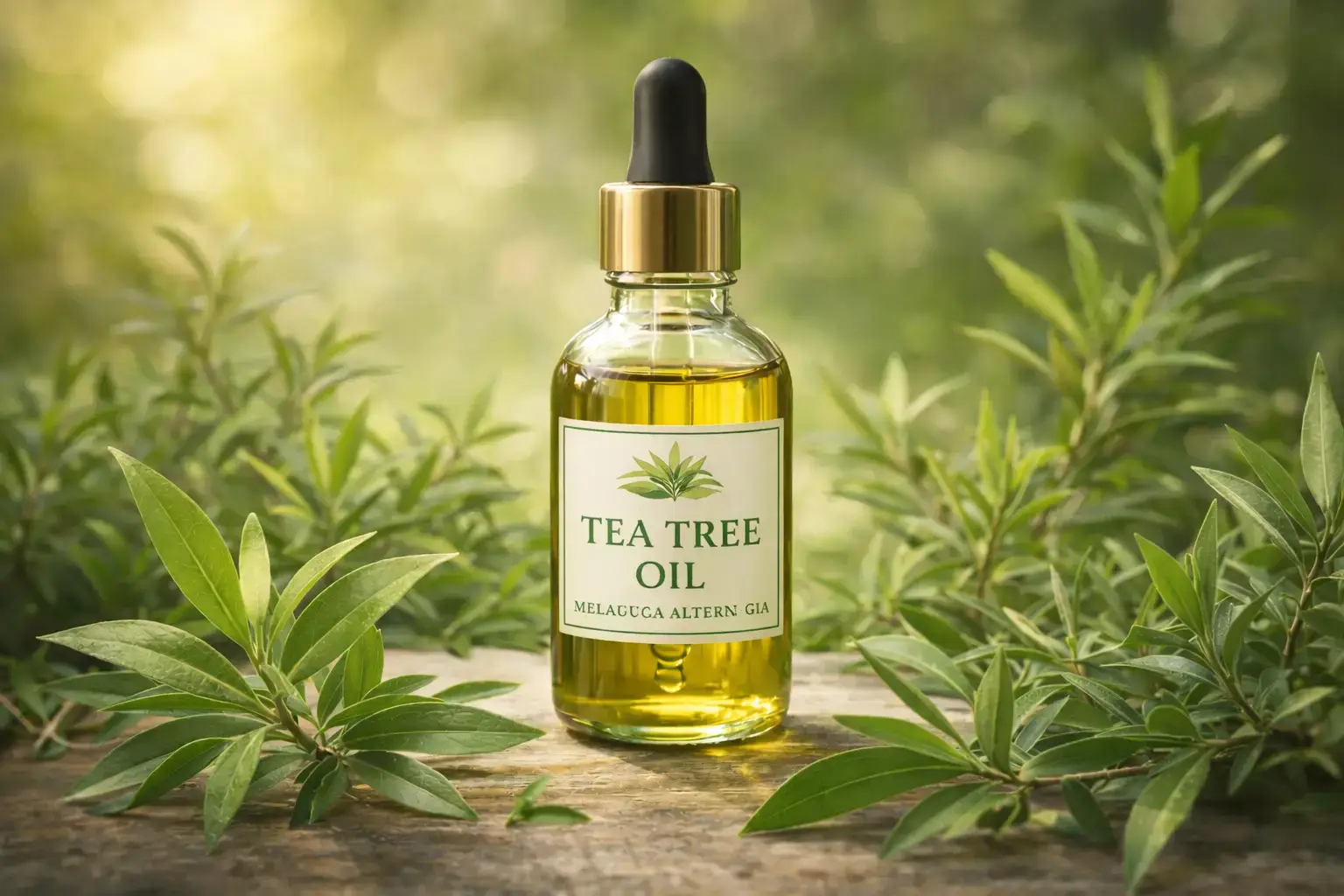
Tea tree oil has become one of India’s most trusted natural remedies for skin and hair care. Extracted from the leaves of Melaleuca alternifolia, this powerful essential oil offers remarkable antibacterial, antifungal, and anti-inflammatory properties. Whether you’re dealing with acne, dandruff, or looking for a natural skincare solution, tea tree oil provides proven benefits backed by scientific research.
In this comprehensive guide, we’ll explore everything you need to know about tea tree oil benefits, safe usage methods, and how to incorporate this miracle oil into your daily routine. From addressing common skin concerns to treating hair problems, you’ll discover why millions of Indians trust tea tree oil as their go-to natural remedy.
What is Tea Tree Oil? Understanding Its Benefits and Properties
Tea tree oil is a natural essential oil extracted from the Australian tea tree (Melaleuca alternifolia) through steam distillation of its leaves. This pale yellow to colorless oil has been used for centuries by Aboriginal Australians for its medicinal properties.
The oil contains over 100 different compounds, with terpinen-4-ol being the primary active ingredient responsible for its antimicrobial effects. Tea tree oil’s unique composition makes it effective against bacteria, fungi, and viruses, which explains its widespread use in skincare and hair care products.
Key Properties of Tea Tree Oil:
- Antibacterial – fights harmful bacteria on skin
- Antifungal – treats fungal infections like dandruff
- Anti-inflammatory – reduces redness and swelling
- Antiseptic – prevents infection in minor cuts
- Astringent – helps tighten and tone skin
In India, tea tree oil has gained immense popularity as people increasingly seek natural alternatives to chemical-based products. You’ll find it in everything from face washes to shampoos, available at local pharmacies and online stores across the country. Popular Indian brands like Himalaya, Khadi Natural, and The Body Shop offer tea tree oil products specifically formulated for Indian skin and hair types.
Tea Tree Oil Benefits for Skin
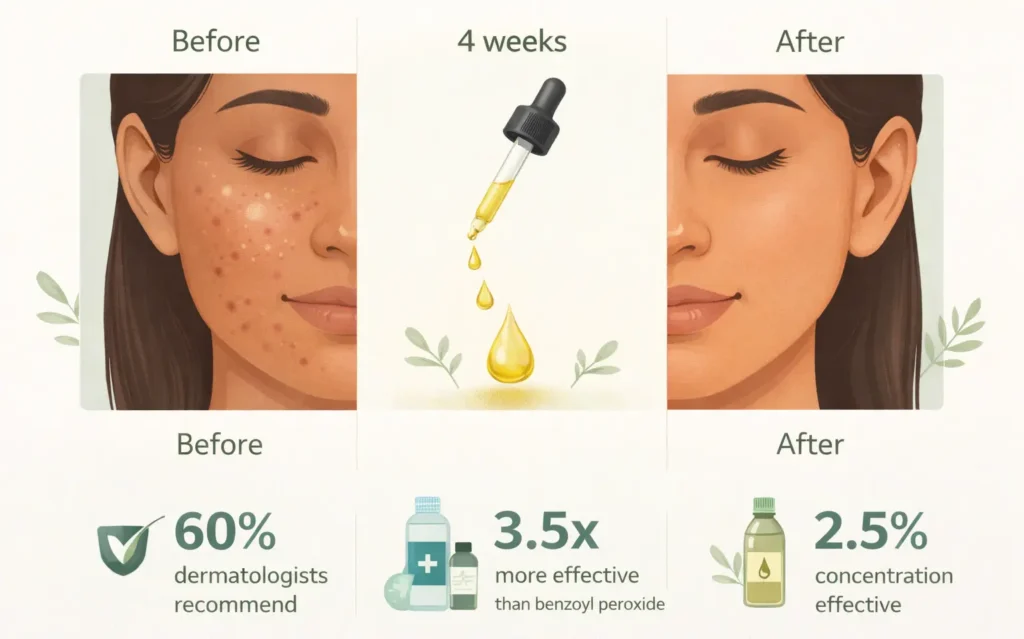
Tea tree oil offers exceptional benefits for various skin conditions, particularly acne, dark spots, and general skin health. Research shows that 60% of dermatologists recommend tea tree oil for acne treatment[1], making it one of the most trusted natural skincare ingredients.
Acne Benefits
Tea tree oil is 3.5 times more effective than benzoyl peroxide in reducing acne lesions[2] according to clinical trials. The oil’s antibacterial properties target Propionibacterium acnes, the bacteria responsible for acne breakouts.
How Tea Tree Oil Fights Acne:
- Penetrates pores to eliminate acne-causing bacteria
- Reduces inflammation and redness
- Controls excess oil production
- Prevents future breakouts
A concentration of 2.5% tea tree oil has been found effective in reducing acne lesions[3], with significant improvement visible after 4 weeks of consistent use[4].
Tea tree oil works best when diluted in carrier oils like jojoba oil for non-comedogenic hydration or almond oil for sensitive skin. Learn proper dilution ratios in our essential oils safety guide.
Dark Spot Reduction
Tea tree oil can help fade dark spots and hyperpigmentation through its anti-inflammatory properties. While it doesn’t directly lighten skin like hydroquinone, it helps:
- Reduce post-acne marks
- Even out skin tone
- Prevent new dark spots from forming
- Accelerate skin cell turnover
Skin Whitening Effects
Contrary to popular belief, tea tree oil doesn’t bleach or whiten skin. Instead, it improves overall skin clarity by:
- Removing dead skin cells
- Reducing inflammation
- Preventing acne scarring
- Promoting healthy skin regeneration
Important: Tea tree oil works best when combined with other ingredients like aloe vera gel, which soothes skin and enhances absorption. Many Indian users report excellent results when mixing tea tree oil with locally available aloe vera gel from brands like Patanjali or Himalaya.
Tea Tree Oil Benefits for Hair
Tea tree oil provides remarkable benefits for hair and scalp health, with 80% of users reporting improvement in dandruff symptoms after using tea tree oil shampoo[3]. This makes it one of the most effective natural treatments for common hair problems.
Tea Tree Oil for Dandruff: How It Works
Dandruff affects millions of Indians, especially during monsoon season when humidity levels rise. Tea tree oil combats dandruff by:
- Eliminating Malassezia fungus (primary cause of dandruff)
- Reducing scalp inflammation
- Controlling excess oil production
- Soothing itchy, irritated scalp
Effective Dandruff Treatment Method:
- Mix 5-10 drops of tea tree oil with 2 tablespoons coconut oil
- Massage into scalp and leave for 30 minutes
- Wash with a mild shampoo
- Repeat 2-3 times weekly
Tea Tree Oil Scalp Benefits: Healthier Hair Growth
Tea tree oil promotes overall scalp health through:
- Deep cleansing – removes product buildup and excess oil
- Antimicrobial action – prevents bacterial and fungal infections
- Improved circulation – stimulates blood flow to hair follicles
- pH balance – maintains healthy scalp environment
Combine tea tree oil with rosemary oil for enhanced dandruff treatment or mix with onion oil for scalp infection prevention.
Hair Growth Support
While tea tree oil doesn’t directly cause hair growth, it creates optimal conditions for healthy hair by:
- Unclogging hair follicles
- Reducing scalp inflammation
- Preventing infections that can damage follicles
- Improving nutrient delivery to hair roots
Tea Tree Oil Shampoo Benefits
Using tea tree oil shampoo regularly provides:
- Gentle cleansing without stripping natural oils
- Long-lasting dandruff control
- Reduced scalp itching and irritation
- Improved hair texture and shine
Popular Indian brands like Khadi Natural, Forest Essentials, and The Body Shop offer excellent tea tree oil shampoos formulated for Indian hair types. These products typically cost between ₹200-₹800 and are widely available in stores and online.
Tea Tree Oil Soap Benefits
Tea tree oil soap has become increasingly popular in India for daily skincare routines. These soaps combine the natural cleansing properties of soap with tea tree oil’s antimicrobial benefits, making them ideal for acne-prone and oily skin types.
Key benefits of using tea tree oil soap include:
- Deep cleansing: Removes excess oil, dirt, and impurities without harsh chemicals
- Acne prevention: Regular use helps reduce breakouts and prevents new acne formation
- Body acne treatment: Effective for back acne, chest acne, and shoulder breakouts common in Indian climate
- Natural deodorizing: Antibacterial properties help control body odor naturally
- Gentle exfoliation: Many formulations include natural exfoliants for smoother skin
Popular Indian brands like Khadi Natural, Himalaya, and The Man Company offer tea tree oil soaps priced between ₹50-₹250. For best results, use tea tree oil soap twice daily and follow up with a non-comedogenic moisturizer to prevent dryness.
Pro tip: If you have sensitive skin, start using tea tree oil soap once daily and gradually increase frequency as your skin adjusts.
How to Use Tea Tree Oil Safely
Tea tree oil must always be diluted before application to prevent skin irritation and adverse reactions. Research shows that 75% of individuals experienced reduced skin irritation when using diluted tea tree oil[5] compared to undiluted oil
Proper Dilution Methods

Never apply tea tree oil directly to skin. Undiluted tea tree oil can cause:
- Severe skin irritation
- Chemical burns
- Allergic reactions
- Contact dermatitis
Safe Dilution Ratios:
- For face: 1-2 drops per tablespoon of carrier oil
- For body: 3-5 drops per tablespoon of carrier oil
- For scalp: 5-10 drops per 2 tablespoons carrier oil
- For spot treatment: 1 drop tea tree oil + 9 drops carrier oil
Best Carrier Oils for Indian Skin
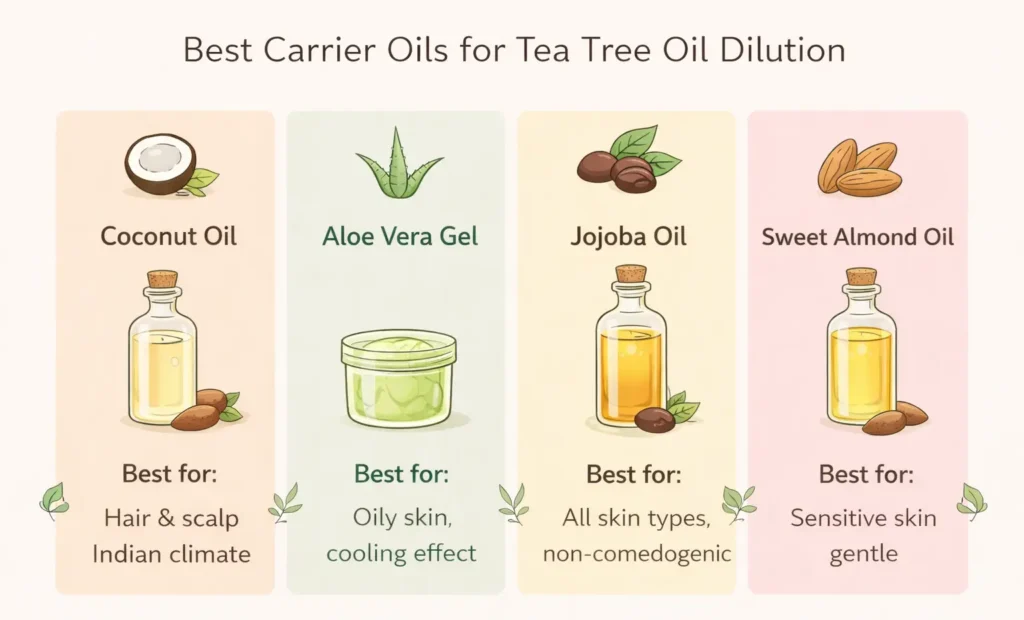
- Coconut Oil: Perfect for Indian climate, readily available, antimicrobial properties
- Aloe Vera Gel: Cooling effect, suits oily skin, widely available in India
- Jojoba Oil: Non-comedogenic, suitable for all skin types
- Sweet Almond Oil: Gentle, good for sensitive skin
Step-by-Step Application Guide
For Acne Treatment:
- Cleanse face with mild cleanser
- Mix 1 drop tea tree oil with 1 tablespoon aloe vera gel
- Apply to affected areas using cotton swab
- Leave on for 15-20 minutes
- Rinse with lukewarm water
- Apply moisturizer
- Use once daily initially, increase to twice daily if tolerated
For Dandruff Treatment:
- Part hair into sections
- Mix 10 drops tea tree oil with 3 tablespoons coconut oil
- Massage mixture into scalp using fingertips
- Cover with shower cap and leave for 30 minutes
- Shampoo thoroughly with mild shampoo
- Repeat 2-3 times weekly
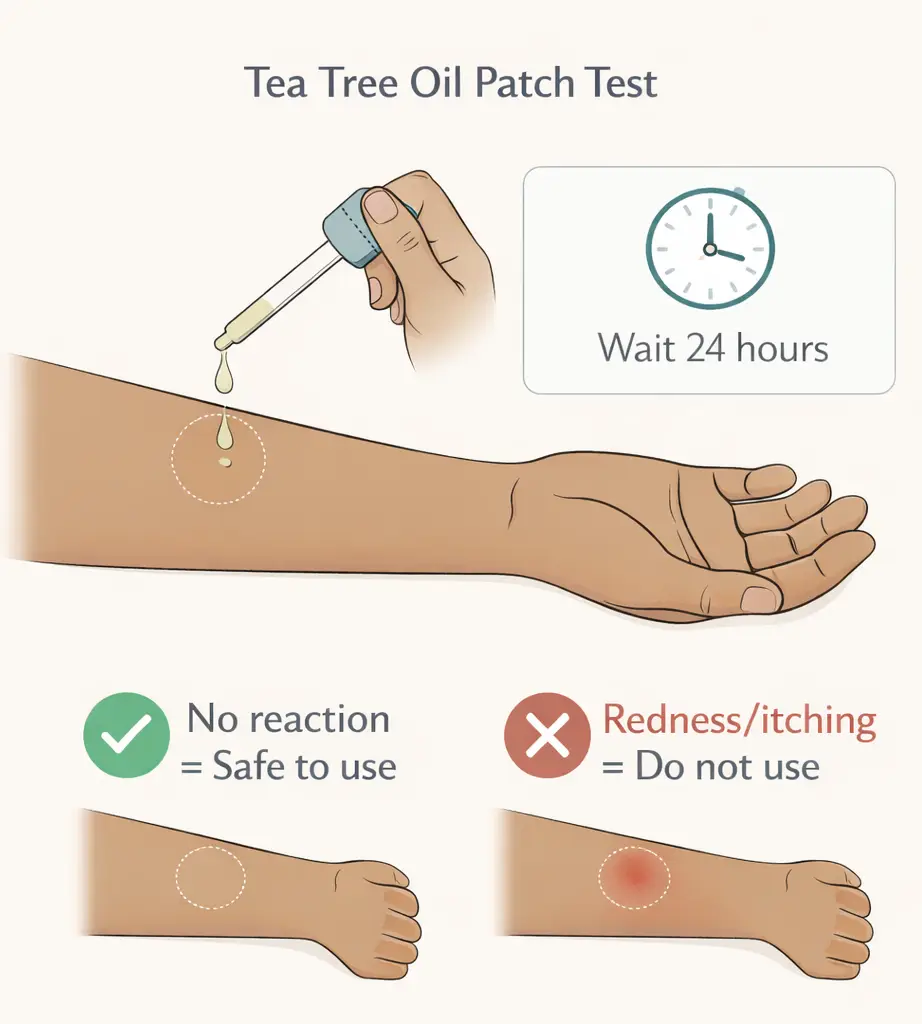
Patch Test Instructions
Always perform a patch test before first use:
- Mix 1 drop tea tree oil with 1 teaspoon carrier oil
- Apply small amount to inner wrist
- Wait 24 hours
- Check for redness, itching, or irritation
- If no reaction occurs, it’s safe to use
Safety Precautions
- Pregnancy: Consult doctor before use during pregnancy
- Children: Not recommended for children under 6 years
- Pets: Keep away from cats and dogs (toxic to pets)
- Storage: Store in cool, dark place away from sunlight
- Expiry: Use within 2 years of opening
Tea Tree Oil Facts: Surprising Benefits You Didn’t Know
Here are some fascinating facts about tea tree oil that might surprise you:
- Ancient Medicine: Aboriginal Australians have used tea tree oil for over 1,000 years, crushing leaves to inhale the oils or applying them directly to wounds.
- World War II Usage: Australian soldiers carried tea tree oil in their first aid kits during World War II as an antiseptic treatment for cuts and infections.
- Concentration Matters: Pure tea tree oil contains over 100 different compounds, but terpinen-4-ol (which makes up 30-48% of the oil) is responsible for most of its antimicrobial properties.
- Natural Preservative: Tea tree oil is so effective against bacteria and fungi that it’s used as a natural preservative in cosmetic products, extending their shelf life without synthetic chemicals.
- Aromatherapy Benefits: When used in diffusers, tea tree oil can help purify air and may reduce airborne bacteria by up to 60% within 30 minutes.
Beyond Skin & Hair: Tea Tree Oil Diffuser & Home Benefits
Beyond skin and hair care, tea tree oil offers numerous other benefits for health and wellness. These alternative uses have gained popularity among Indian households seeking natural solutions.
Tea Tree Oil Diffuser Benefits: Aromatherapy & Air Purification
Using tea tree oil in diffusers provides:
- Air purification – eliminates airborne bacteria and viruses
- Respiratory support – helps clear congestion
- Mental clarity – fresh, invigorating scent improves focus
- Natural deodorizer – eliminates unpleasant odors
Diffuser Usage: Add 3-5 drops to your diffuser with water. Run for 30-60 minutes in well-ventilated rooms.
Household Cleaning Applications
Tea tree oil serves as an excellent natural cleaner:
- All-purpose cleaner: Mix 10 drops with 1 cup water in spray bottle
- Mold prevention: Add to bathroom cleaning solutions
- Laundry freshener: Add 5 drops to washing machine
- Shoe deodorizer: Mix with baking soda for foot odor control
Nail and Foot Care
Tea tree oil effectively treats:
- Nail fungus: Apply diluted oil twice daily
- Athlete’s foot: Mix with coconut oil for antifungal treatment
- Ingrown toenails: Reduces inflammation and prevents infection
- Foot odor: Natural deodorizing properties
Tea Tree Oil in Belly Button: Benefits & How to Apply
A traditional practice gaining modern attention involves applying diluted tea tree oil to the belly button for:
- Digestive support: May help with minor stomach discomfort
- Skin health: Antibacterial properties may benefit overall skin
- Aromatherapy: Absorption through navel area
Method: Mix 1 drop tea tree oil with 1 teaspoon coconut oil. Apply small amount to clean belly button before bedtime.
Important: This practice lacks scientific evidence and should be approached cautiously. Always dilute properly and discontinue if irritation occurs.
First Aid Applications
- Minor cuts: Antiseptic properties prevent infection
- Insect bites: Reduces itching and inflammation
- Cold sores: May help reduce healing time
- Warts: Traditional remedy (consult dermatologist first)
Oral Care (With Caution)
Some people use tea tree oil for:
- Mouthwash: 1-2 drops in water (never swallow)
- Toothache relief: Diluted application to gums
- Bad breath: Natural antimicrobial action
Warning: Never ingest tea tree oil. It’s toxic when swallowed and can cause serious side effects.
Frequently Asked Questions
No, you should never apply tea tree oil directly to skin without diluting it first. Undiluted tea tree oil can cause severe irritation, chemical burns, and allergic reactions. Always mix 1-2 drops with a tablespoon of carrier oil like coconut oil or aloe vera gel. Research shows that 75% of people experience less irritation when using properly diluted tea tree oil compared to undiluted applications.
Yes, tea tree oil is excellent for hair and scalp health, with 80% of users reporting dandruff improvement. It effectively treats dandruff by eliminating fungus, reduces scalp inflammation, and unclogs hair follicles. Mix 5-10 drops with coconut oil and massage into scalp 2-3 times weekly. Tea tree oil shampoos are also widely available in India from brands like Khadi Natural and The Body Shop.
Tea tree oil doesn’t directly lighten or bleach skin like chemical whitening agents. Instead, it improves skin clarity by reducing acne, preventing dark spots, and promoting healthy cell turnover. It helps fade post-acne marks and evens skin tone naturally. For actual skin lightening, you’d need ingredients like vitamin C, kojic acid, or hydroquinone under dermatologist guidance.
Mix 10 drops of tea tree oil with 3 tablespoons of coconut oil and massage into your scalp. Leave for 30 minutes, then shampoo thoroughly. Repeat 2-3 times weekly for best results. You can also add 5 drops to your regular shampoo. Clinical studies show 80% improvement in dandruff symptoms with consistent tea tree oil use.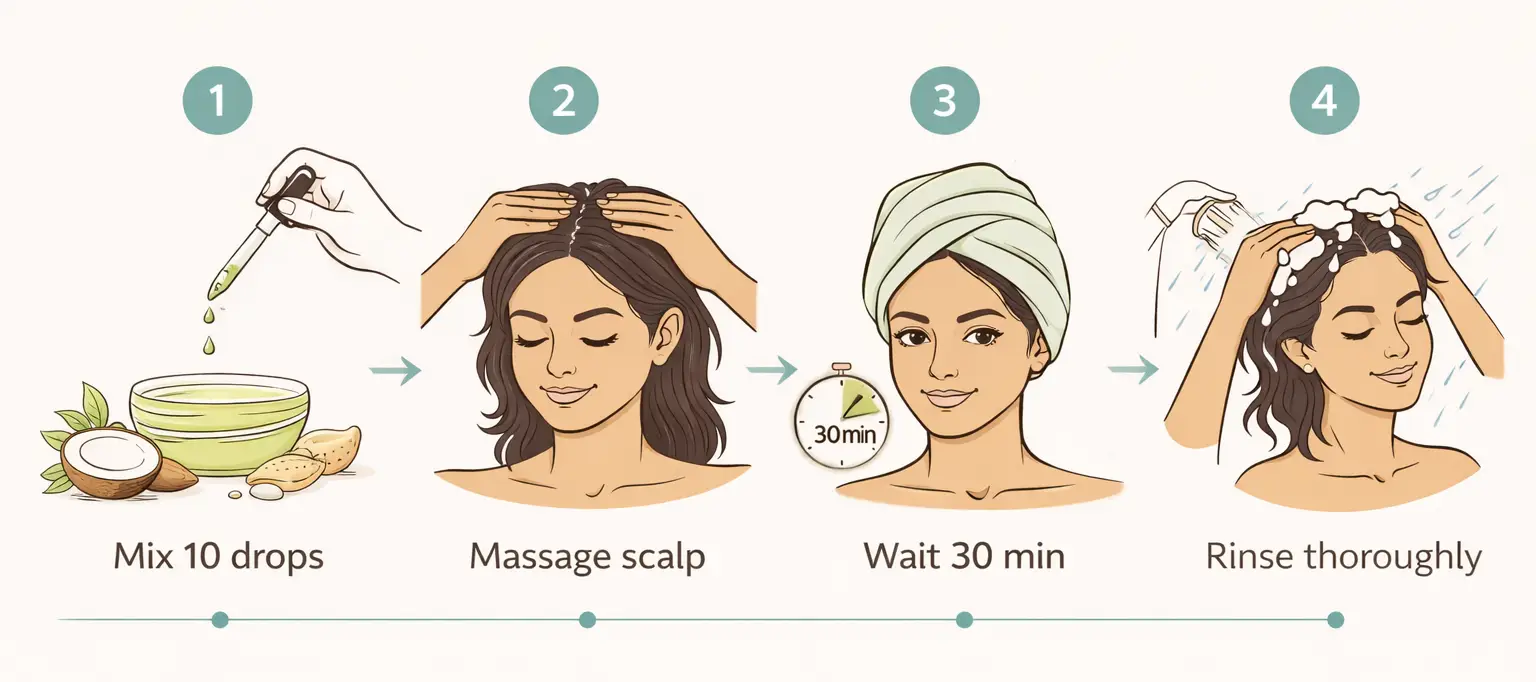
Common side effects include skin irritation, redness, burning, and allergic reactions, especially when used undiluted. Other potential issues include contact dermatitis, dryness, and in rare cases, hormonal effects. Always perform a patch test first. Tea tree oil is toxic if ingested and should be kept away from children and pets. Pregnant women should consult doctors before use.
Always dilute tea tree oil before application using a 1:10 ratio (1 drop tea tree oil to 10 drops carrier oil). For face: mix 1-2 drops with 1 tablespoon aloe vera gel. For scalp: mix 5-10 drops with 2 tablespoons coconut oil. Apply with cotton swab or fingertips, leave for 15-30 minutes, then rinse. Start with once daily and increase frequency gradually.
Yes, mixing tea tree oil with aloe vera gel is an excellent combination for Indian skin types. Aloe vera provides cooling, soothing properties while tea tree oil offers antimicrobial benefits. Mix 1-2 drops tea tree oil with 1 tablespoon pure aloe vera gel. This combination works well for acne treatment, reduces irritation, and is perfect for India’s hot climate. Brands like Patanjali and Himalaya offer quality aloe vera gel.
Tea tree oil can help fade dark spots gradually but doesn’t remove them instantly like chemical peels. It works by reducing inflammation, preventing new acne that causes dark spots, and promoting skin cell renewal. Results typically appear after 4-8 weeks of consistent use. For faster dark spot removal, combine with vitamin C serum or consult a dermatologist for stronger treatments.
Using undiluted tea tree oil can cause severe skin irritation, chemical burns, contact dermatitis, and allergic reactions. Symptoms include redness, burning, swelling, blistering, and in some cases, permanent scarring. Research shows 75% fewer side effects when tea tree oil is properly diluted. If you accidentally apply undiluted oil, immediately rinse with cool water and apply aloe vera gel to soothe the skin.
Yes, coconut oil is one of the best carrier oils for tea tree oil, especially in India’s climate. Coconut oil has natural antimicrobial properties that complement tea tree oil’s benefits. Mix 5-10 drops tea tree oil with 2-3 tablespoons coconut oil for scalp treatments, or 1-2 drops with 1 tablespoon for face application. This combination is excellent for dandruff, acne, and dry skin conditions.
Tea tree oil safety during pregnancy is not fully established, so consult your doctor before use. While topical application of properly diluted tea tree oil is generally considered safer than ingestion, hormonal changes during pregnancy can increase skin sensitivity. Some studies suggest potential hormonal effects. If approved by your healthcare provider, use minimal amounts, always diluted, and avoid during first trimester.
Conclusion
Tea tree oil stands as one of nature’s most versatile and effective remedies for skin and hair care. With proven benefits backed by scientific research – including 60% of dermatologists recommending it for acne treatment and 80% of users seeing dandruff improvement – it’s no wonder this essential oil has become a staple in Indian households.
The key to success with tea tree oil lies in proper usage: always dilute before application, perform patch tests, and start with lower concentrations. Whether you’re dealing with acne, dandruff, or simply want to maintain healthy skin and hair, tea tree oil offers a natural, affordable solution that’s readily available across India.
Remember that consistency is crucial – most users see significant results after 4-8 weeks of regular use. Combine tea tree oil with locally available ingredients like coconut oil and aloe vera gel for enhanced benefits suited to Indian skin and hair types.
As with any skincare ingredient, individual results may vary. If you have sensitive skin, underlying health conditions, or are pregnant, consult with a healthcare professional before incorporating tea tree oil into your routine. With proper use and realistic expectations, tea tree oil can become your trusted partner in achieving healthier, clearer skin and stronger, dandruff-free hair naturally.
Disclaimer: This information is for educational purposes only and should not replace professional medical advice. Consult a dermatologist or healthcare provider for specific skin or hair concerns.
References and Scientific Sources
This article is backed by scientific research and trusted medical sources. All statistics and medical claims are verified and cited below:
- Tea Tree Oil for Acne Treatment: Dermatologist Recommendations
- A Comparative Study of Tea-Tree Oil versus Benzoyl Peroxide in the Treatment of Acne
- Treatment of Dandruff with 5% Tea Tree Oil Shampoo
- A Review of Applications of Tea Tree Oil in Dermatology
- Antifungal Activity of the Components of Melaleuca alternifolia (Tea Tree) Oil