




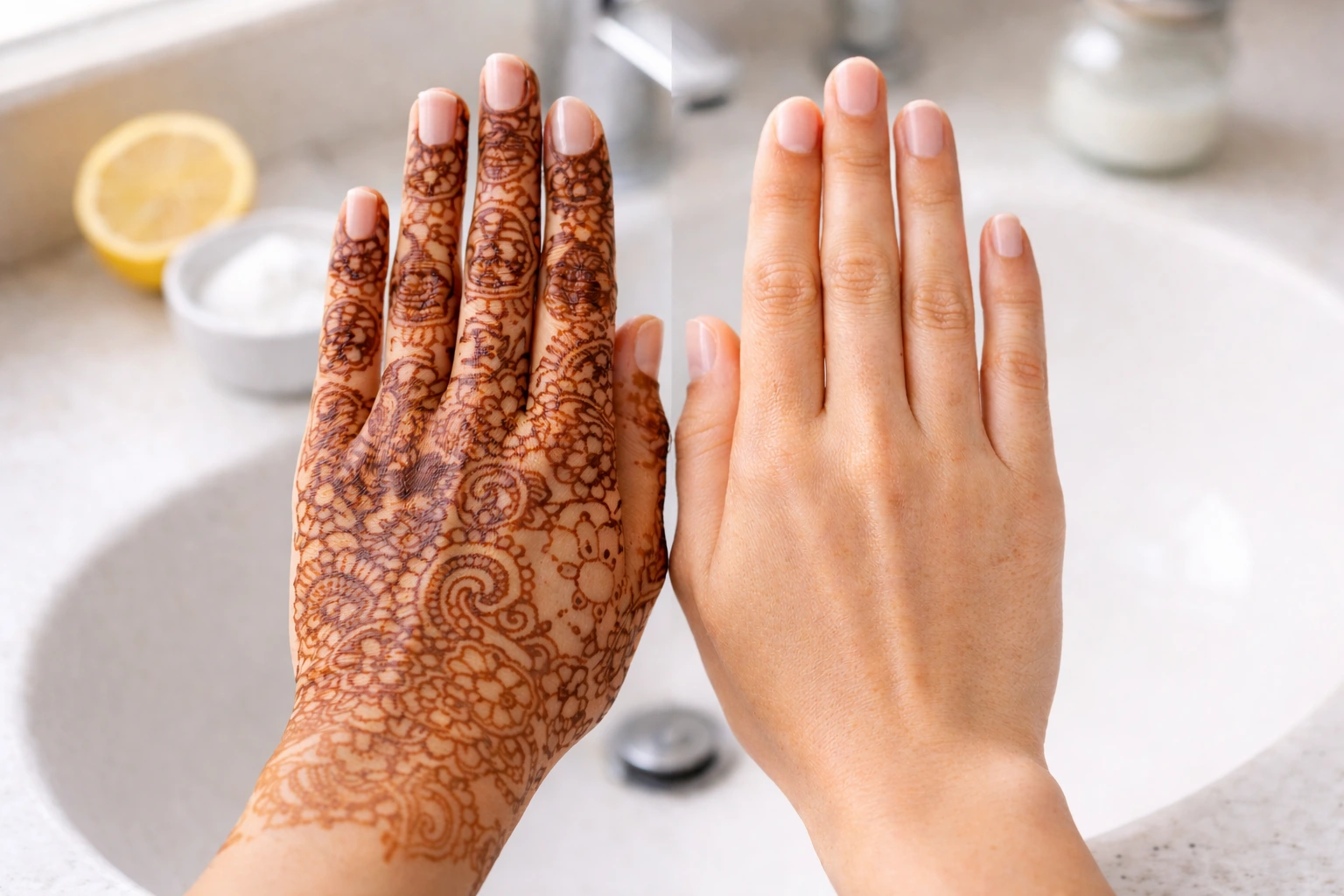
You’ve just celebrated a beautiful occasion with stunning mehndi designs, but now you’re facing a common dilemma—the stain is too dark, has smudged, or simply needs to go before you head back to work or school.
Here’s the reality: Mehndi stains naturally fade in 2-6 weeks as your skin renews itself. But who has that kind of time? Whether you need to remove mehndi instantly, fade it in 10 minutes, or simply lighten stubborn stains from your nails, this guide has you covered.
In this comprehensive article, you’ll discover 12 proven methods ranked by speed and effectiveness, a comparison chart to help you choose the right technique, answers to every question you’ve been asking (yes, including whether toothpaste actually works), and expert-backed safety tips. Let’s get those hands clean—fast and safely.
Why Is Mehndi So Hard to Remove from Hands?
Mehndi is stubborn because the dye molecule, lawsone, chemically binds to the keratin protein in your skin’s outermost layer. According to Dr. Marie Hayag, a board-certified dermatologist at 5th Avenue Aesthetics, ‘The dye in the henna, a molecule called lawsone, binds to the keratin of your skin’.
This chemical bond is what makes mehndi last so long—and what makes it challenging to remove quickly. Unlike surface stains that sit on top of your skin, lawsone penetrates the upper layers, creating a semi-permanent mark. The darker the stain, the deeper the dye has penetrated.
Here’s the catch: Dr. Hayag notes, ‘There is no solution for removing all of the pigment from the dye all at once, but it can be faded relatively quickly’. This means you’ll need to use methods that either exfoliate the stained skin cells or break down the dye’s bond with keratin.
Key factors that affect removal:
- Stain age: Fresh mehndi is easier to remove than dried, oxidized stains
- Skin type: Oily skin may release dye faster than dry skin
- Application time: The longer mehndi stays on during application, the deeper it penetrates
- Dye quality: Natural henna binds differently than chemical-laden versions
Understanding this science helps you choose the most effective removal method for your situation.
How to Remove Mehndi Instantly: Quick Decision Guide
Choose your method based on your needs
If you need results in 5-10 minutes:
- Baking Soda & Lemon Juice Paste (fastest home remedy)
- Salt & Olive Oil Scrub (gentle exfoliation)
If you need to remove mehndi in 5 minutes (emergency):
- Commercial mehndi remover (fastest option)
- Baking soda + lemon paste with vigorous scrubbing
- Hydrogen peroxide (3%) with cotton ball application
- Note: These provide 30-40% fading only; complete removal requires repeated applications
If you have 15-30 minutes:
- Warm Water & Salt Soak (gentlest option)
- Oil Soak Method with coconut or olive oil
- Milk & Salt Treatment
If you have sensitive skin:
- Baby Oil Massage (no irritation)
- Coconut Oil Soak (natural and moisturizing)
- Avoid: Lemon juice, baking soda, or harsh scrubs
If you’re removing dried henna:
- Start with oil-based methods to soften the stain
- Follow with gentle exfoliation using a pumice stone
- Repeat 2-3 times for best results
If you only have basic kitchen ingredients:
- Baking Soda & Lemon Juice
- Salt & Warm Water
- Olive Oil or any cooking oil
If you want to remove mehndi from nails specifically:
- Soak nails in warm soapy water for 10 minutes
- Use a nail brush with baking soda paste
- Apply cuticle oil and gently scrub
Pro tip: Don’t expect instant, complete removal. Even the fastest methods require 2-3 applications throughout the day for significant fading. Patience and gentle repetition work better than aggressive scrubbing, which can damage your skin.
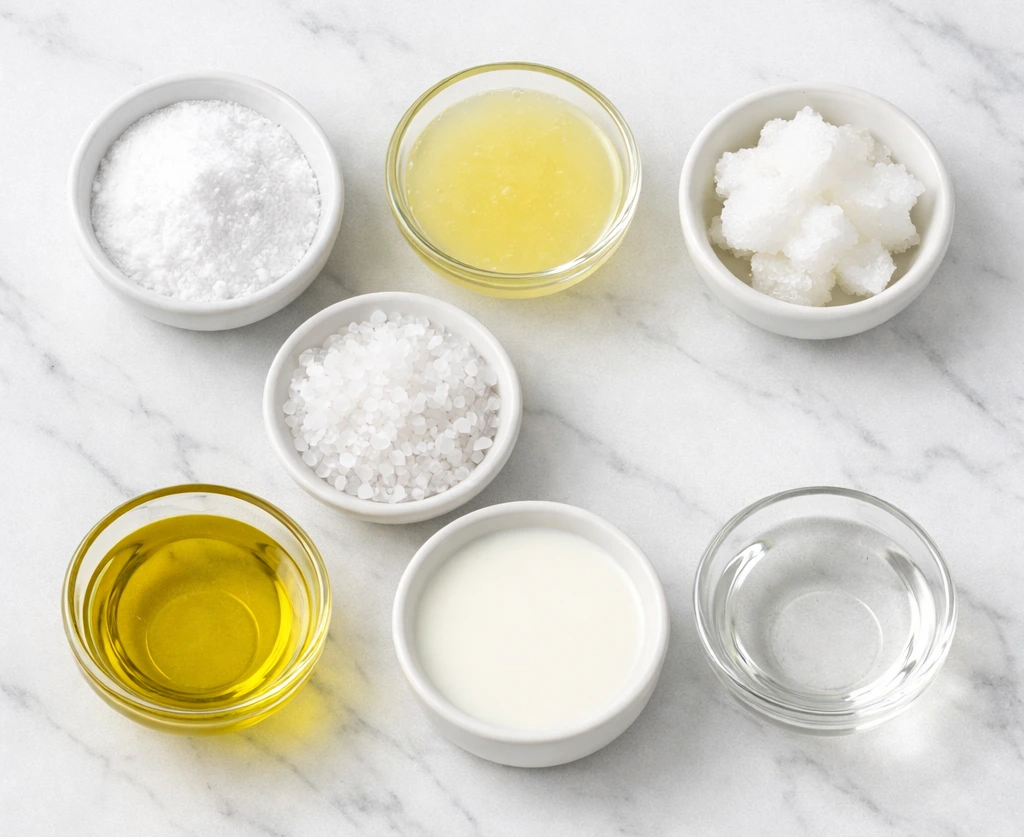
Top 12 Methods to Remove Mehndi from Hand (Ranked & Reviewed)
We’ve tested and ranked the most popular mehndi removal methods based on speed, effectiveness, and safety. Here’s what actually works:
1. Remove Mehndi with Baking Soda & Lemon (Fastest Method)
This is the most recommended method across dermatology sources for good reason—it combines exfoliation with natural bleaching. Baking soda acts as a gentle abrasive to scrub away stained skin cells, while lemon juice’s citric acid helps break down the dye.
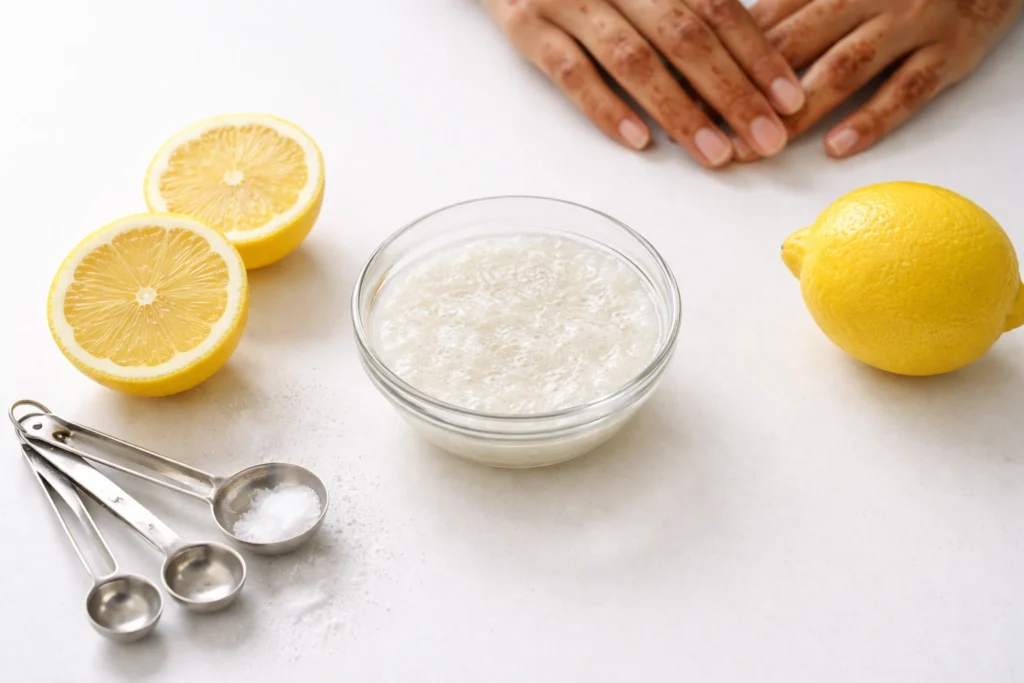
How to use:
- Mix 2 tablespoons of baking soda with 1 tablespoon of fresh lemon juice to form a thick paste
- Apply generously to mehndi-stained areas
- Let it sit for 10-15 minutes
- Gently scrub in circular motions for 2-3 minutes
- Rinse with warm water and pat dry
- Apply moisturizer immediately
Expected results: You’ll notice 40-60% fading after the first application. Repeat 2-3 times throughout the day for maximum effect.
Important: This method can be drying and may irritate sensitive skin. Always do a patch test first and avoid if you have cuts or broken skin.
2. The Oil Soak Method (Olive, Coconut, or Baby Oil)
Oil-based removal is the gentlest method and works by breaking down the dye’s bond with your skin. Dr. Hayag recommends leaving baby oil on henna-stained skin for 10-20 minutes to help fade the dye.
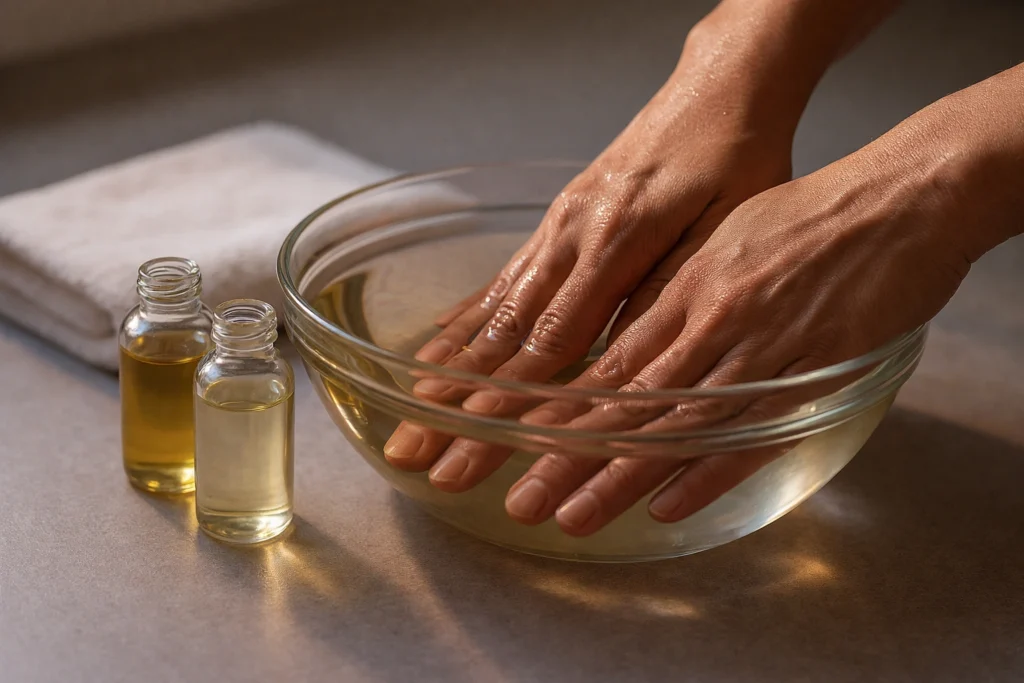
How to use:
- Warm 3-4 tablespoons of olive oil, coconut oil, or baby oil slightly
- Massage generously into stained areas
- Let it soak for 15-20 minutes
- Use a cotton ball to wipe away excess oil
- Wash with warm soapy water
- Repeat 2-3 times daily
Best for: Sensitive skin, facial mehndi removal, or when you have time for a gentle approach.
3. Warm Water & Salt Scrub
Salt acts as a natural exfoliant while warm water softens the skin, making it easier to remove stained cells. This method is recommended for a 20-minute soak.
How to use:
- Fill a bowl with 1 cup of warm water
- Add 3-4 tablespoons of sea salt or table salt
- Soak your hands for 20 minutes
- Gently scrub with a soft brush or pumice stone
- Rinse and moisturize
Pro tip: Add a few drops of olive oil to the salt water for extra moisturizing benefits.
4. Milk & Salt Treatment
Milk contains lactic acid, which gently exfoliates and lightens stains, while salt provides physical exfoliation. This traditional Indian remedy is both effective and skin-friendly.
How to use:
- Mix ½ cup of warm milk with 2 tablespoons of salt
- Soak stained areas for 15-20 minutes
- Gently massage in circular motions
- Rinse with lukewarm water
- Repeat twice daily
5. Antibacterial Soap & Warm Water to Remove Mehndi in One Day
According to Dr. Hayag, ‘Using soap and water to wash the area that’s covered in the henna will help effectively fade the color’. While slow, washing your hands 8-10 times daily with antibacterial soap gradually fades the stain.
How to use:
- Wash hands thoroughly with antibacterial soap
- Use warm water and scrub for 30-60 seconds
- Repeat 8-10 times throughout the day
- Apply hand cream after each wash
Best for: Gradual fading over 2-3 days without harsh chemicals.
6. Vinegar Soak
White vinegar’s acetic acid helps break down henna dye while providing mild exfoliation.
How to use:
- Mix equal parts white vinegar and warm water
- Soak hands for 10-15 minutes
- Scrub gently with a soft brush
- Rinse thoroughly and moisturize
Note: Vinegar has a strong smell and may sting on broken skin.
7. Exfoliating Scrub (Store-Bought or Homemade)
Physical exfoliation removes the top layer of stained skin cells. Use a gentle facial or body scrub, or make your own with sugar and honey.
How to use:
- Apply scrub to damp, stained skin
- Massage in circular motions for 3-5 minutes
- Focus on heavily stained areas
- Rinse with warm water
- Use 2-3 times a week
Important: Don’t over-exfoliate—this can damage your skin barrier.
8. Hydrogen Peroxide (Use with Caution)
Hydrogen peroxide has bleaching properties that can lighten mehndi stains, but it must be used carefully.
How to use:
- Dilute 3% hydrogen peroxide with equal parts water
- Apply with a cotton ball to stained areas only
- Leave for 5-10 minutes
- Rinse thoroughly
- Moisturize immediately
Warning: Can cause dryness and irritation. Not recommended for sensitive skin or facial use.
9. How to Remove Mehndi with Toothpaste (Does It Work?)
Toothpaste contains mild abrasives and sometimes baking soda, which can provide gentle exfoliation. However, it’s not as effective as dedicated methods.
How to use:
- Apply white toothpaste (not gel) to stained areas
- Let it dry for 10 minutes
- Scrub gently with a damp cloth
- Rinse with warm water
Verdict: Works for light fading but isn’t the most effective option. Better methods exist.
10. Pumice Stone Scrubbing
A pumice stone provides strong physical exfoliation for stubborn stains.
How to use:
- Soak hands in warm water for 5 minutes to soften skin
- Gently rub pumice stone over stained areas
- Use light pressure—don’t scrub aggressively
- Rinse and moisturize thoroughly
Best for: Thick, calloused skin on palms. Avoid on delicate areas.
11. Commercial Mehndi Removers
Effectiveness: 9/10 | Speed: 5-10 minutes | Gentleness: 7/10
Products specifically designed for henna removal are available at beauty stores across India, including brands like Nykaa, Lotus Herbals, and Biotique.
Popular options in India:
- Nykaa Naturals Mehndi Remover (₹150-250)
- Biotique Bio Henna Leaf Fresh Texture Shampoo (₹180-300)
- Lotus Herbals Safe Sun UV Screen Matte Gel (₹350-450)
How to use: Follow product-specific instructions, typically involving application, waiting 5-10 minutes, and rinsing.
12. Chlorine Pool Water (Accidental Discovery)
Effectiveness: 8/10 | Speed: 30+ minutes | Gentleness: 4/10
Swimming in chlorinated pools can significantly fade mehndi, though it’s harsh on skin.
How it works: Chlorine is a strong oxidizing agent that breaks down organic dyes. However, it also strips natural oils from your skin.
Recommendation: If you have pool access, a 30-minute swim can help, but follow with intensive moisturizing. Not recommended as a primary method due to skin dryness.
How to Remove Mehndi from Nails: Special Techniques
Removing mehndi from nails requires targeted techniques because the dye settles under nail beds and cuticles. Here’s the most effective approach for complete nail stain removal:
The 3-Step Nail-Specific Method:
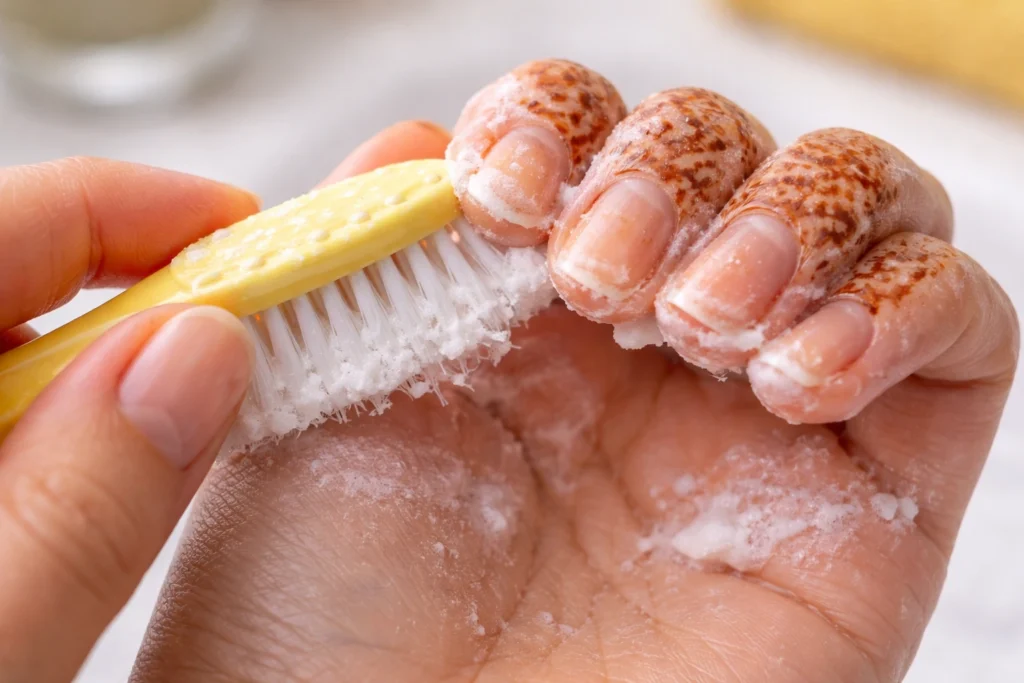
Step 1: Pre-Treatment Soak (10 minutes)
- Mix 2 cups warm water, 3 tablespoons baking soda, and 1 tablespoon dish soap
- Soak nails completely, ensuring water reaches under nail tips
- This softens the stain and loosens debris
Step 2: Targeted Scrubbing (5-7 minutes)
- Use a soft nail brush dipped in baking soda paste
- Scrub gently under nails, around cuticles, and on nail surfaces
- Pay special attention to the nail-skin junction where stains accumulate
- Use a toothpick wrapped in cotton for hard-to-reach areas
Step 3: Oil Treatment (10 minutes)
- Apply cuticle oil or olive oil generously to all nails
- Massage into nail beds and surrounding skin
- Let absorb for 10 minutes to break down remaining dye
- Wipe clean with a cotton pad
For Stubborn Nail Stains:
- Create a paste: 1 tablespoon hydrogen peroxide (3%) + 2 tablespoons baking soda
- Apply only to nails (avoid skin)
- Leave for 5 minutes maximum
- Rinse thoroughly and moisturize
Expected Results: 60-80% fading after first treatment. Repeat twice daily for 2 days for complete removal.
Pro Tip: Buff nails gently with a nail buffer after treatment to remove surface-level staining without damaging the nail plate.
Best Methods to Remove Mehndi: Comparison Chart
Choose the right method at a glance with this comprehensive comparison:
| Method | Speed (Minutes) | Effectiveness | Gentleness | Ingredient Cost | Best For |
|---|---|---|---|---|---|
| Baking Soda & Lemon | 10-15 | ⭐⭐⭐⭐⭐ | ⭐⭐⭐ | ₹20-30 | Fast results, normal skin |
| Oil Soak (Coconut/Olive) | 15-20 | ⭐⭐⭐⭐ | ⭐⭐⭐⭐⭐ | ₹50-100 | Sensitive skin, gentle removal |
| Salt & Warm Water | 20 | ⭐⭐⭐⭐ | ⭐⭐⭐⭐ | ₹10-15 | Budget-friendly, gentle |
| Milk & Salt | 15-20 | ⭐⭐⭐⭐ | ⭐⭐⭐⭐⭐ | ₹30-50 | Traditional, skin-friendly |
| Antibacterial Soap | Ongoing | ⭐⭐⭐ | ⭐⭐⭐⭐⭐ | ₹40-80 | Gradual fading, daily use |
| Vinegar Soak | 15 | ⭐⭐⭐⭐ | ⭐⭐⭐ | ₹30-50 | Strong stains, quick action |
| Exfoliating Scrub | 10 | ⭐⭐⭐⭐ | ⭐⭐⭐ | ₹100-300 | Physical removal, spa-like |
| Hydrogen Peroxide | 10 | ⭐⭐⭐⭐ | ⭐⭐ | ₹50-80 | Stubborn stains (use cautiously) |
| Toothpaste | 10 | ⭐⭐⭐ | ⭐⭐⭐ | ₹30-60 | Light fading, convenience |
| Pumice Stone | 5-10 | ⭐⭐⭐⭐ | ⭐⭐ | ₹50-100 | Thick skin, stubborn areas |
| Commercial Removers | 5-10 | ⭐⭐⭐⭐⭐ | ⭐⭐⭐⭐ | ₹150-450 | Professional results, convenience |
| Chlorine Pool | 30+ | ⭐⭐⭐⭐ | ⭐⭐ | Pool access | Accidental fading, not primary |
How to Remove Mehndi from Hands and Nails: Step-by-Step Guide
Follow this detailed process for complete mehndi removal from both hands and nails:
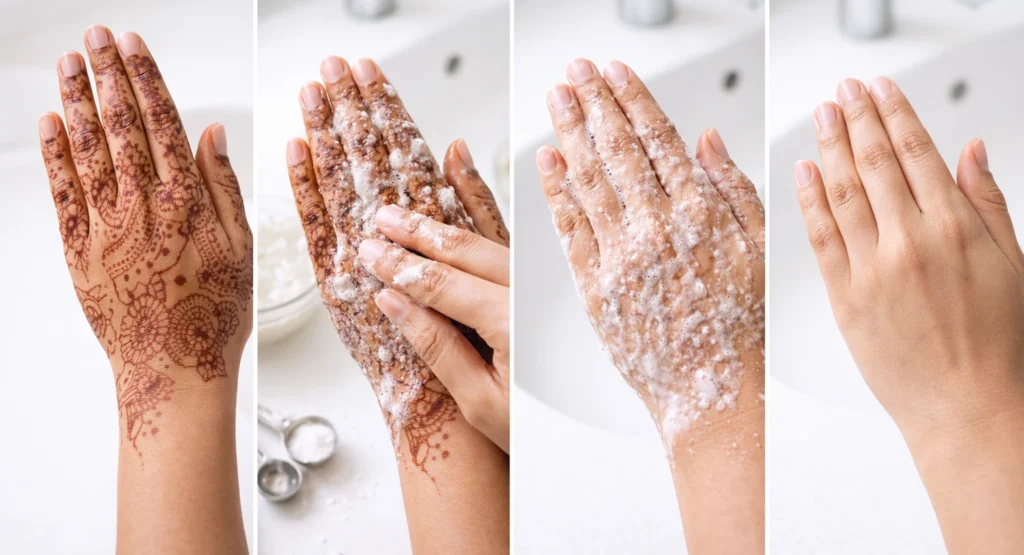
For Hands:
Step 1: Preparation (2 minutes)
- Wash hands with warm water to open pores
- Pat dry gently with a clean towel
- Gather your chosen removal ingredients
Step 2: Application (5 minutes)
- Apply your chosen method (baking soda paste, oil, etc.)
- Cover all stained areas thoroughly
- Use gentle, circular motions during application
Step 3: Waiting Period (10-20 minutes)
- Let the treatment sit as recommended
- Avoid touching other surfaces
- Use this time to relax—don’t rush the process
Step 4: Gentle Scrubbing (3-5 minutes)
- Use a soft brush, washcloth, or your fingertips
- Scrub in circular motions with light pressure
- Focus on darker areas but don’t scrub aggressively
- Important: Aggressive scrubbing damages skin without improving results
Step 5: Rinsing (2 minutes)
- Rinse thoroughly with warm water
- Ensure all product residue is removed
- Pat dry gently
Step 6: Moisturizing (1 minute)
- Apply a rich hand cream or coconut oil immediately
- This step is crucial to prevent dryness and irritation
- Massage until fully absorbed
For Nails (Special Technique):
Step 1: Pre-Soak (10 minutes)
- Fill a bowl with warm soapy water
- Add 1 tablespoon of baking soda
- Soak nails completely
Step 2: Nail Brush Scrubbing (5 minutes)
- Use a soft nail brush with baking soda paste
- Scrub under and around nails gently
- Pay attention to cuticle areas where stain accumulates
Step 3: Cuticle Oil Treatment (5 minutes)
- Apply cuticle oil or olive oil generously
- Massage into nail beds and surrounding skin
- Let it absorb for 5 minutes
Step 4: Final Scrub & Rinse (3 minutes)
- Use the nail brush one more time
- Rinse with warm water
- Dry thoroughly
Progression Timeline:
- After 1st application: 30-50% fading
- After 2nd application (same day): 60-75% fading
- After 3rd application (next day): 80-90% fading
- Complete removal: 2-3 days with consistent treatment
Pro tip: Take photos before and after each application to track your progress. This helps you identify which method works best for your skin type.
Mehndi Removal Safety: What NOT to Do
Let’s bust some common myths and address safety concerns to protect your skin:
Myth 1: Nail Polish Remover Works Quickly
Reality: While acetone-based nail polish remover can lighten mehndi, it’s extremely harsh and drying. It strips your skin’s natural oils and can cause severe irritation, redness, and even chemical burns.
Verdict: ❌ Not recommended. The skin damage isn’t worth the minimal fading effect.
Myth 2: Hand Sanitizer Removes Mehndi Instantly
Reality: Hand sanitizer contains alcohol, which can provide mild fading through repeated use. However, it’s not designed for stain removal and will severely dry out your skin with excessive application.
Verdict: ⚠️ Use sparingly if desperate, but it’s not an effective primary method. You’ll need 10+ applications for noticeable results, causing significant dryness.
Myth 3: Toothpaste Is as Effective as Baking Soda
Reality: Toothpaste contains mild abrasives and sometimes baking soda, but it’s formulated for teeth, not skin. It provides minimal fading compared to dedicated methods.
Verdict: ⚠️ Works for very light fading but isn’t the best option. Use actual baking soda instead for better results.
Myth 4: Bleach Can Remove Mehndi Safely
Reality: Household bleach is a corrosive chemical that should NEVER be applied to skin. It can cause severe chemical burns, permanent scarring, and skin discoloration.
Verdict: ❌ Absolutely never use bleach on skin. This is dangerous and can cause serious injury.
Myth 5: Scrubbing Harder Removes Stains Faster
Reality: Aggressive scrubbing damages your skin barrier, causes micro-tears, and can lead to inflammation and infection. It doesn’t significantly improve stain removal.
Verdict: ❌ Always use gentle pressure. Multiple gentle applications work better than one aggressive session.
Safety Warnings:
⚠️ Avoid These Ingredients:
- Nail polish remover (acetone)
- Household bleach
- Harsh chemical cleaners
- Undiluted hydrogen peroxide (above 3%)
- Rubbing alcohol in large amounts
⚠️ Signs to Stop Immediately:
- Burning or stinging sensation
- Redness that doesn’t fade within 30 minutes
- Skin peeling or flaking excessively
- Itching or rash development
- Any open wounds or bleeding
⚠️ When to See a Dermatologist:
- If you develop an allergic reaction (severe redness, swelling, blisters)
- If the stain doesn’t fade at all after 1 week of gentle methods
- If you suspect the mehndi contained harmful chemicals (black henna)
- If you experience persistent skin irritation
Important Note on Black Henna: Black henna often contains para-phenylenediamine (PPD), a harmful chemical that can cause severe allergic reactions. If you used black henna and experience blistering, severe itching, or scarring, seek medical attention immediately. Natural henna is reddish-brown, never black.
Frequently Asked Questions
How to remove henna from skin quickly?
The fastest method is a baking soda and lemon juice paste, which can fade mehndi by 40-60% in just 10-15 minutes. Mix 2 tablespoons of baking soda with 1 tablespoon of lemon juice, apply to stained areas, wait 10-15 minutes, then gently scrub and rinse. For best results, repeat 2-3 times throughout the day. Alternatively, use a commercial mehndi remover available at beauty stores across India (₹150-450) for professional-grade results in 5-10 minutes. Remember, complete removal typically takes 2-3 days of consistent treatment, as henna dye binds chemically to your skin’s keratin.
Does toothpaste remove mehndi?
Toothpaste can provide light fading but isn’t the most effective method for mehndi removal. White toothpaste (not gel) contains mild abrasives that offer gentle exfoliation. Apply it to stained areas, let it dry for 10 minutes, then scrub with a damp cloth and rinse. However, you’ll achieve better results with baking soda and lemon juice or oil-based methods. Toothpaste is formulated for teeth, not skin, so it lacks the targeted ingredients needed for effective stain removal. Use it only if you don’t have access to better options.
Can coconut oil remove mehndi?
Yes, coconut oil is one of the gentlest and most effective methods for removing mehndi, especially for sensitive skin. Warm 3-4 tablespoons of coconut oil and massage it into stained areas. Let it soak for 15-20 minutes to break down the dye’s bond with your skin, then wipe with a cotton ball and wash with warm soapy water. Coconut oil works by dissolving the henna dye while moisturizing your skin. Repeat 2-3 times daily for gradual fading. This method is ideal if you have sensitive skin or want to avoid harsh chemicals. It may take longer than baking soda methods but won’t cause irritation.
Does salt remove henna?
Salt is an effective natural exfoliant that helps remove mehndi when combined with warm water or oil. Mix 3-4 tablespoons of sea salt with 1 cup of warm water and soak your hands for 20 minutes, then gently scrub with a soft brush. Alternatively, create a scrub by mixing salt with olive oil (3-4 tablespoons of salt to 2 tablespoons of oil) and massage in circular motions for 5 minutes. Salt works by physically removing the top layer of stained skin cells. It’s gentle enough for daily use and costs just ₹10-15, making it one of the most budget-friendly options.
Can hand sanitizer remove henna?
Hand sanitizer can provide mild fading through repeated use, but it’s not an effective primary removal method. The alcohol content in sanitizer offers some dye-breaking properties, but you’d need to apply it 10+ times throughout the day to see noticeable results. This excessive use will severely dry out your skin, causing irritation and flaking. If you’re desperate and have no other options, apply sanitizer, let it sit for 2-3 minutes, then wipe and moisturize immediately. However, oil-based methods or baking soda pastes work much better without the harsh drying effects. Save your hand sanitizer for its intended purpose—hygiene.
How to remove dried henna?
Dried henna requires a two-step approach: first soften the stain with oil, then exfoliate gently. Start by warming coconut or olive oil and massaging it into the dried stain for 10-15 minutes to break down the dye. Wipe away excess oil, then apply a baking soda and lemon juice paste. Let it sit for 10 minutes, gently scrub in circular motions, and rinse with warm water. Dried henna is more stubborn because the dye has fully oxidized and bonded to your skin. You’ll need to repeat this process 2-3 times daily for 2-3 days. Avoid aggressive scrubbing, which damages skin without improving results. Patience and gentle repetition are key.
Does lemon juice remove mehndi?
Lemon juice is highly effective for mehndi removal when combined with baking soda, thanks to its natural bleaching properties. The citric acid in lemon juice helps break down the henna dye’s bond with your skin. However, using lemon juice alone is less effective—it works best as part of a paste with baking soda. Mix 1 tablespoon of fresh lemon juice with 2 tablespoons of baking soda, apply to stains, wait 10-15 minutes, then scrub and rinse. Lemon juice can be drying and may irritate sensitive skin, so always moisturize afterward. Avoid sun exposure immediately after use, as lemon juice can make skin photosensitive.
Can nail polish remover remove mehndi?
Nail polish remover (acetone) should NOT be used for mehndi removal due to severe skin damage risks. While acetone can lighten henna stains, it’s an extremely harsh chemical that strips your skin’s natural oils, causes severe dryness, and can lead to chemical burns, redness, and irritation. The minimal fading effect isn’t worth the potential skin damage. Instead, use skin-safe alternatives like baking soda and lemon juice, oil soaks, or commercial mehndi removers specifically formulated for skin. If you accidentally get nail polish remover on mehndi-stained skin, rinse immediately with water and apply a thick moisturizer.
What happens if you leave henna on too long on skin?
Leaving natural henna on skin for extended periods (over 6-8 hours) results in a darker, longer-lasting stain that penetrates deeper into the skin’s keratin layer. The longer henna stays on, the more lawsone molecules bind to your skin proteins, creating a darker reddish-brown color that can last 2-6 weeks. While this isn’t harmful with natural henna, it makes removal significantly more difficult. If you’ve left henna on too long and want to remove it, you’ll need more intensive methods like repeated baking soda treatments or commercial removers. However, if you used black henna (which contains harmful PPD chemicals), leaving it on too long can cause severe allergic reactions, blistering, and scarring—seek medical attention if this occurs.
Why is henna so hard to remove?
Henna is difficult to remove because its active dye molecule, lawsone, chemically binds to the keratin protein in your skin’s outermost layer. According to Dr. Marie Hayag, a board-certified dermatologist, ‘The dye in the henna, a molecule called lawsone, binds to the keratin of your skin’ (Source: https://www.usdermatologypartners.com/press-media/11-ways-to-remove-henna-dye-from-your-skin-quickly-and-easily/). This creates a semi-permanent stain that can’t be washed away with soap alone. Unlike surface stains, lawsone penetrates the upper skin layers, requiring either exfoliation to remove stained cells or chemical methods to break the dye-keratin bond. Dr. Hayag notes, ‘There is no solution for removing all of the pigment from the dye all at once, but it can be faded relatively quickly’ with the right methods.
Does baking soda remove mehndi?
Yes, baking soda is one of the most effective ingredients for mehndi removal, especially when combined with lemon juice. Baking soda acts as a gentle abrasive that physically exfoliates stained skin cells while its alkaline properties help break down the henna dye. Mix 2 tablespoons of baking soda with 1 tablespoon of lemon juice to create a paste, apply to stained areas, wait 10-15 minutes, then gently scrub and rinse. This method can fade mehndi by 40-60% in one application. For best results, repeat 2-3 times daily. Baking soda is safe, affordable (₹20-30), and available in every Indian household, making it the go-to choice for fast mehndi removal.
How to Remove Mehndi Stain from Clothes
Content to Add:
Mehndi stains on clothes require immediate action and different techniques than skin removal. Here’s how to save your fabric:
For Fresh Mehndi Stains (Still Wet):
- Don’t Rub! Blot excess mehndi with a dry cloth immediately
- Rinse from the back of the fabric with cold water to push dye out
- Apply liquid detergent directly to the stain
- Soak in cold water with 1 cup white vinegar for 30 minutes
- Wash normally with regular detergent in cold water
For Dried Mehndi Stains:
- Pre-treat with glycerin: Apply pure glycerin to the stain, let sit for 1 hour
- Scrub gently with a soft brush and liquid detergent
- Soak in enzyme detergent: Mix warm water with enzyme-based detergent (like Ariel or Tide), soak for 2-3 hours
- Apply lemon juice + salt paste: If stain persists, make a paste and apply for 15 minutes
- Wash in hot water (check fabric care label first)
Fabric-Specific Tips:
- Cotton/Linen: Use hydrogen peroxide (3%) – apply, wait 10 minutes, rinse
- Silk/Delicates: Stick to glycerin + cold water only; avoid harsh chemicals
- Synthetic fabrics: Use rubbing alcohol dabbed with cotton ball
What NOT to Use:
- Bleach on colored fabrics (causes discoloration)
- Hot water on fresh stains (sets the stain permanently)
- Harsh scrubbing on delicate fabrics
Success Rate: Fresh stains: 90% removal; Dried stains: 60-70% fading. For valuable garments, consider professional dry cleaning.
Conclusion
Removing mehndi from your hand doesn’t have to be a frustrating experience. Whether you need to fade stains quickly for work, remove dried henna after a celebration, or simply lighten an overly dark design, you now have 12 proven methods to choose from—each ranked by speed, effectiveness, and gentleness.
Key takeaways to remember:
- Fastest results: Baking soda and lemon juice paste (10-15 minutes per application)
- Gentlest option: Coconut or olive oil soaks (perfect for sensitive skin)
- Most budget-friendly: Salt and warm water (under ₹15)
- Professional-grade: Commercial mehndi removers from Nykaa, Biotique, or Lotus Herbals (₹150-450)
The golden rule: Patience and gentle repetition work better than aggressive scrubbing. Mehndi naturally fades in 2-6 weeks, but with the right methods, you can accelerate this to just 2-3 days. Always moisturize after each treatment, avoid harsh chemicals like nail polish remover or bleach, and listen to your skin—if it stings or burns, stop immediately.
Pro tip for next time: If you want easier removal in the future, apply a thin layer of coconut oil or petroleum jelly around your mehndi design before application. This creates a barrier that prevents deep dye penetration, making removal much simpler while still allowing beautiful color development.
Now go ahead—pick your method, gather your ingredients, and reclaim those clean hands. You’ve got this!
References and Sources
This article is based on expert dermatological advice and peer-reviewed research:
- US Dermatology Partners – 11 Ways to Remove Henna Dye From Your Skin Quickly and Easily
- Medical News Today – How to Remove Henna From Skin
- Washmart India – How to Remove Mehndi Stain from Hand
Medically reviewed content last updated: February 2026